Beijing, China: The Great Wall, Hutongs, and a Whole Lot of Cold
My first stop in China was Beijing — three days there with nothing but the clothes on my back and the cameras in my carry-on, after my bags got held up along the way in Shanghai. Beijing sits in northern China, and in the dead of winter it was brutally cold. Thankfully I’d worn a scarf on the plane.
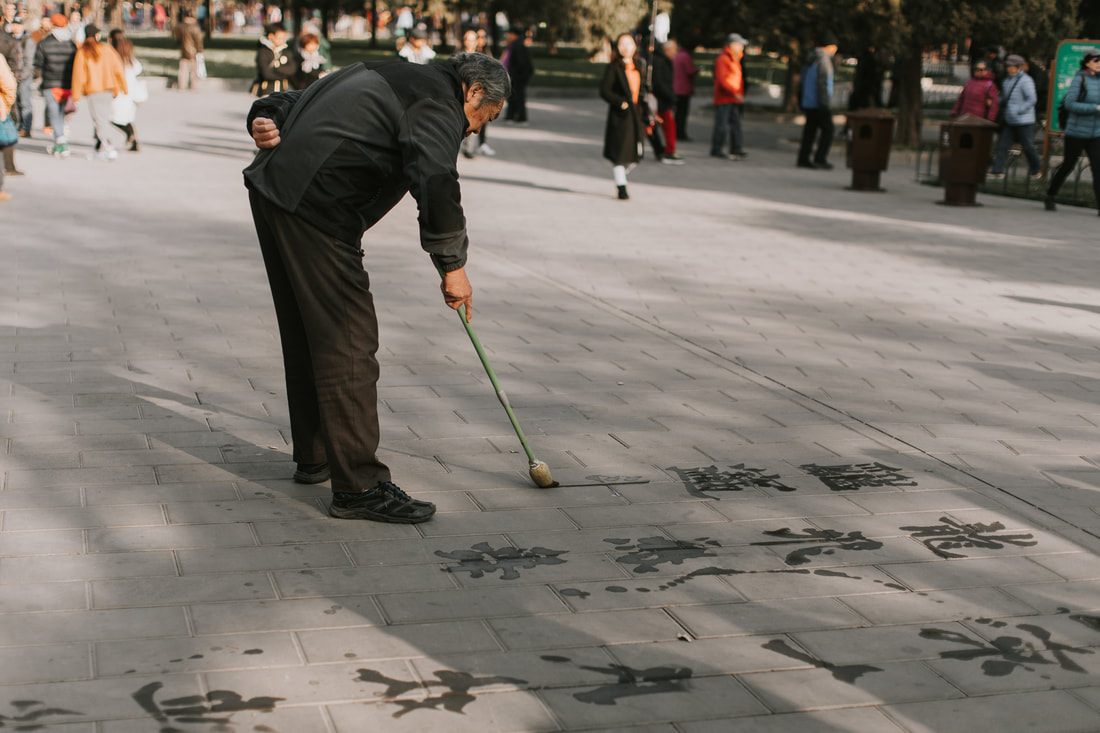
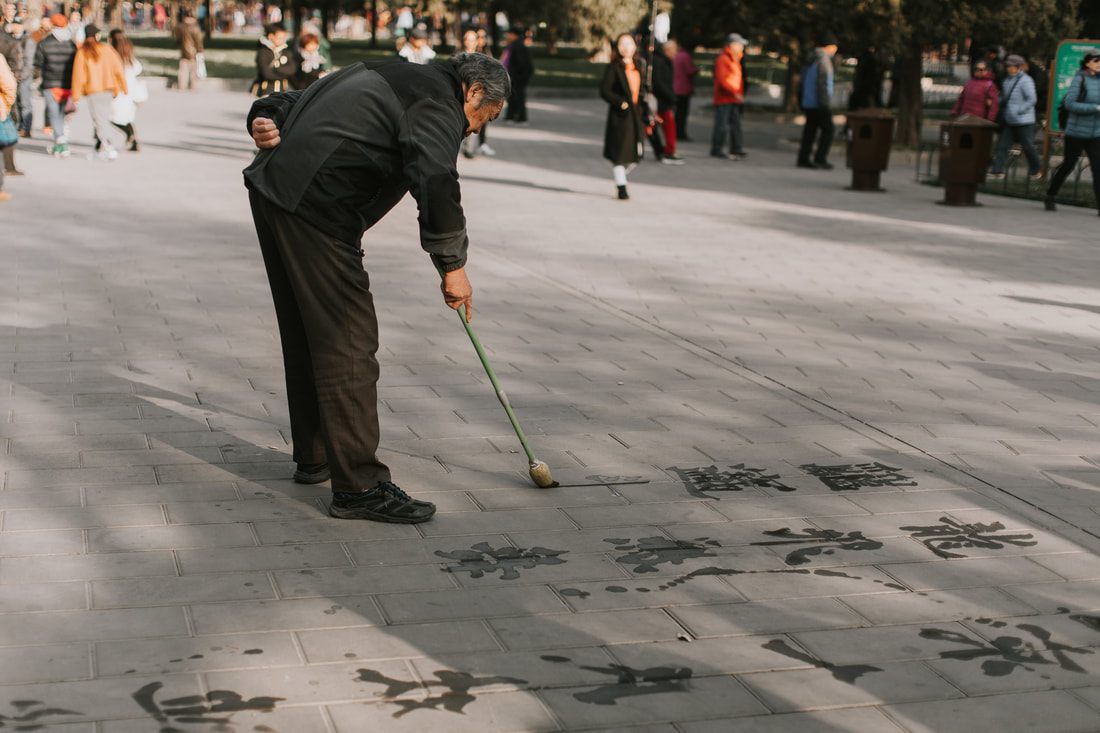
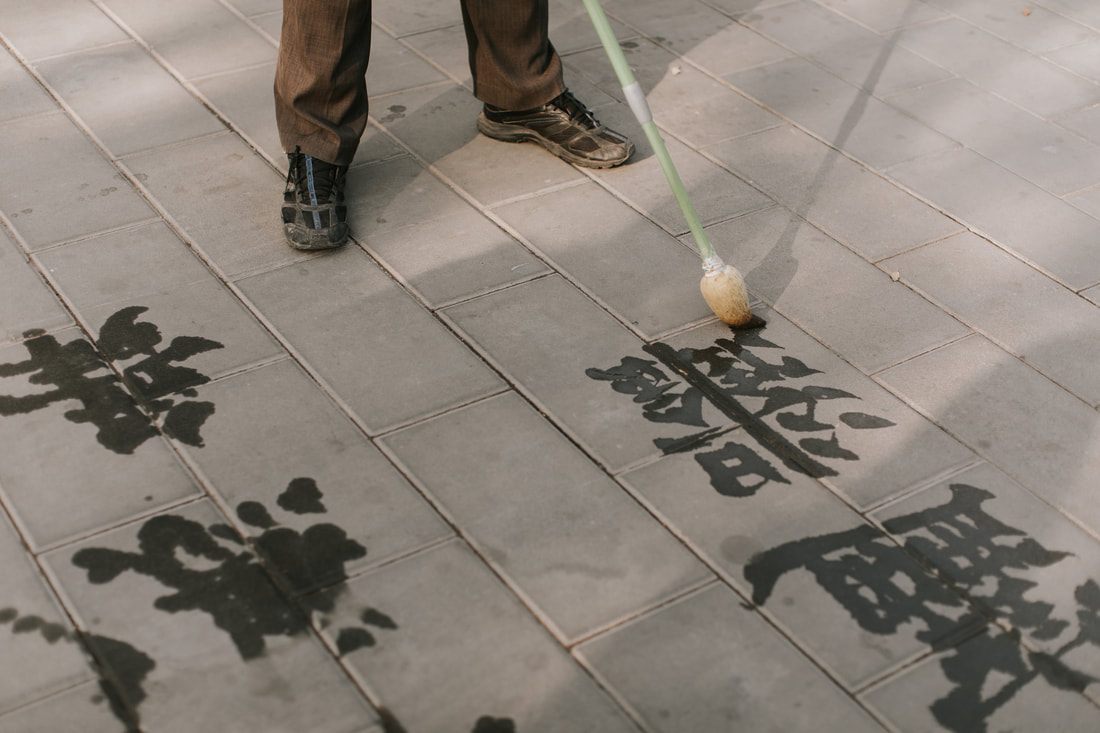
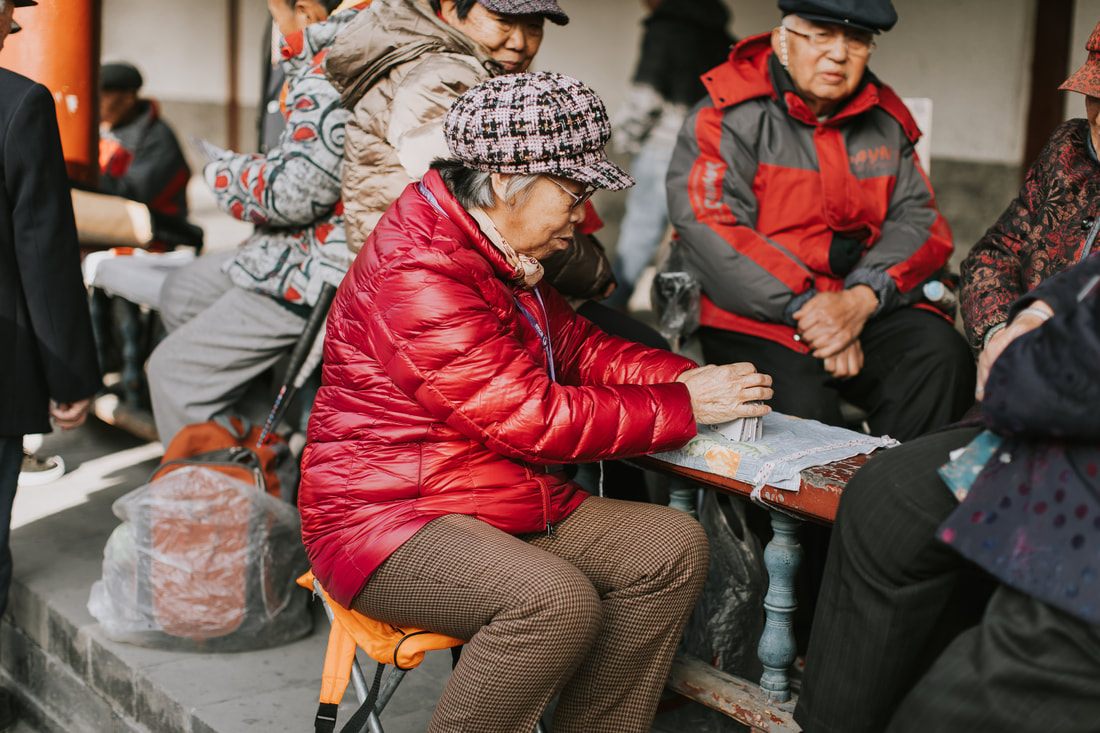
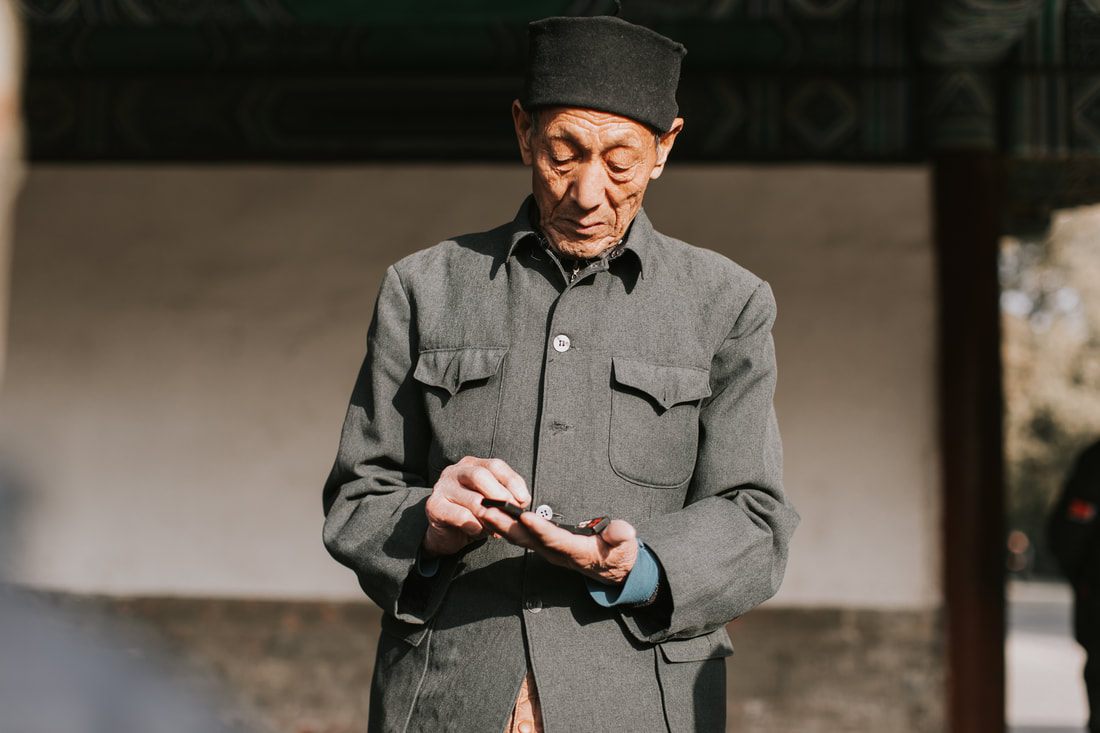
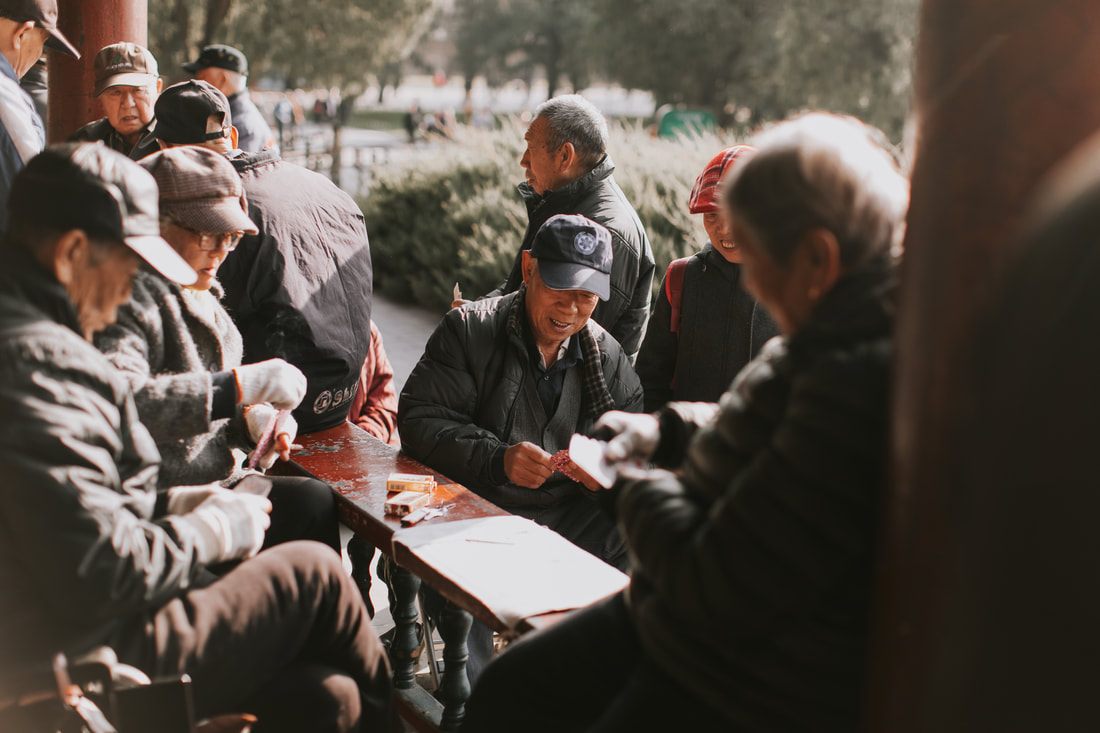
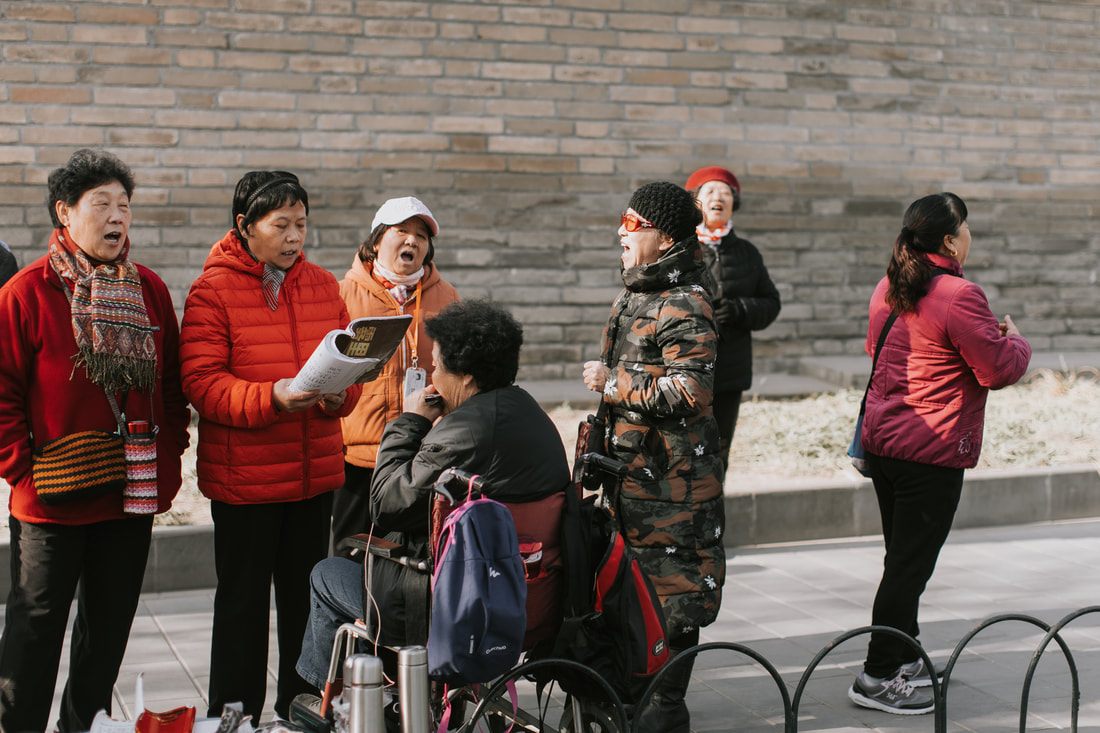
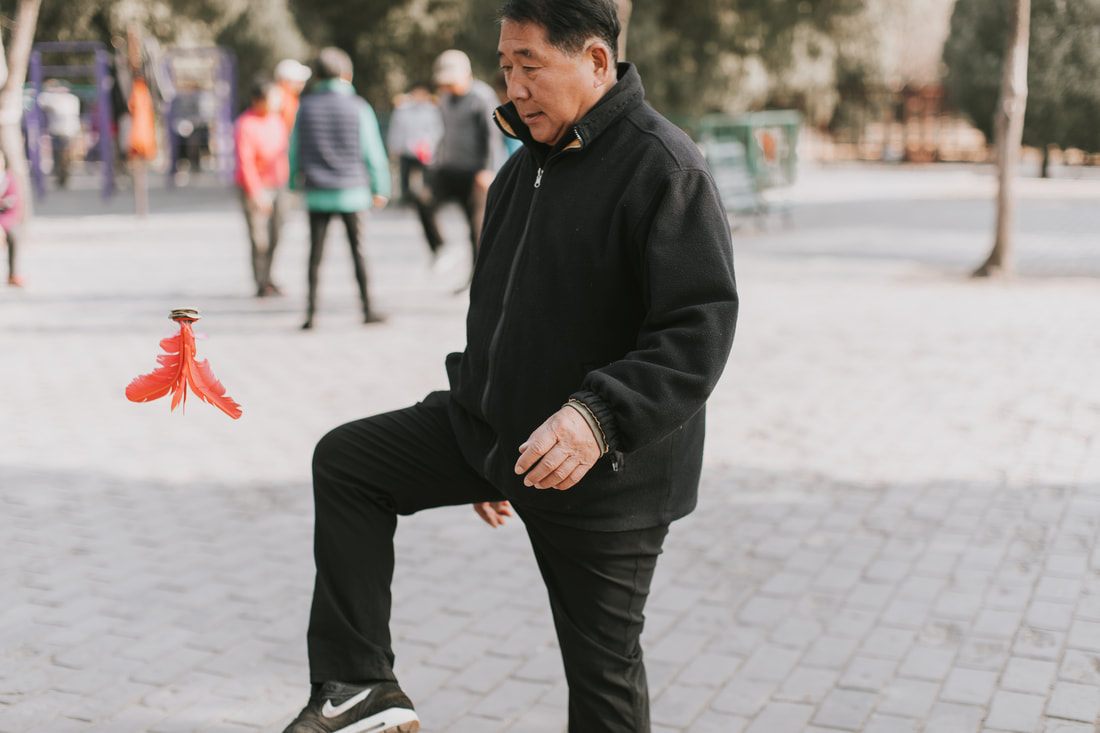
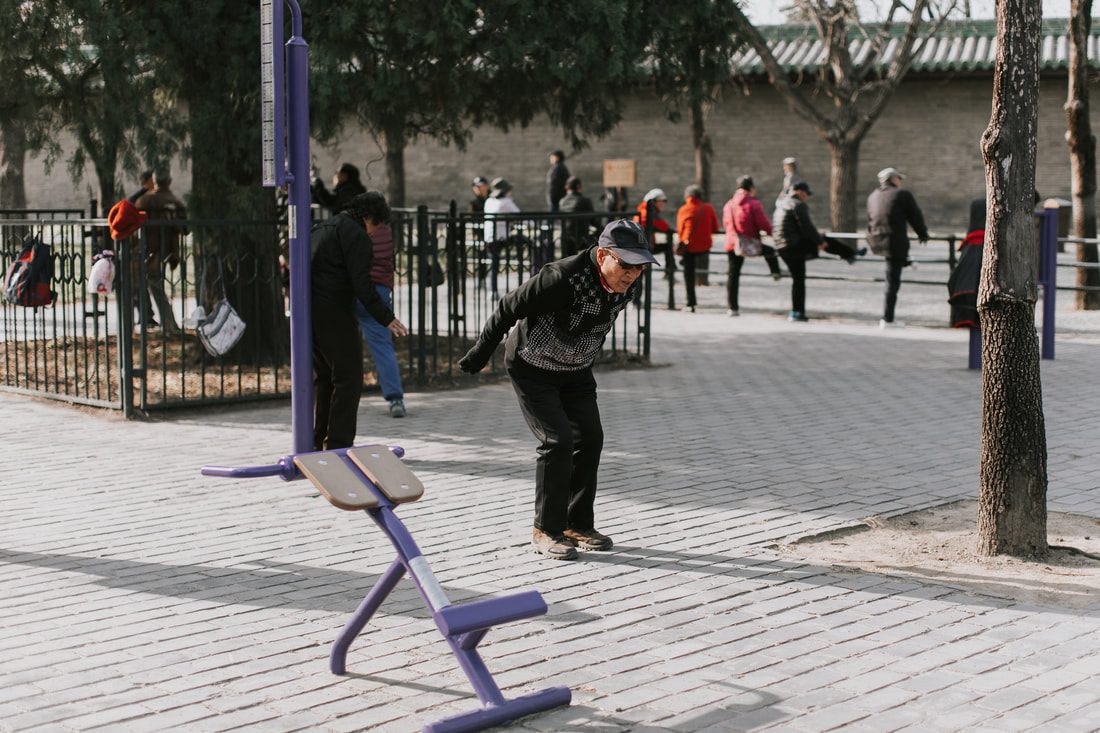
A morning in the park near the Temple of Heaven
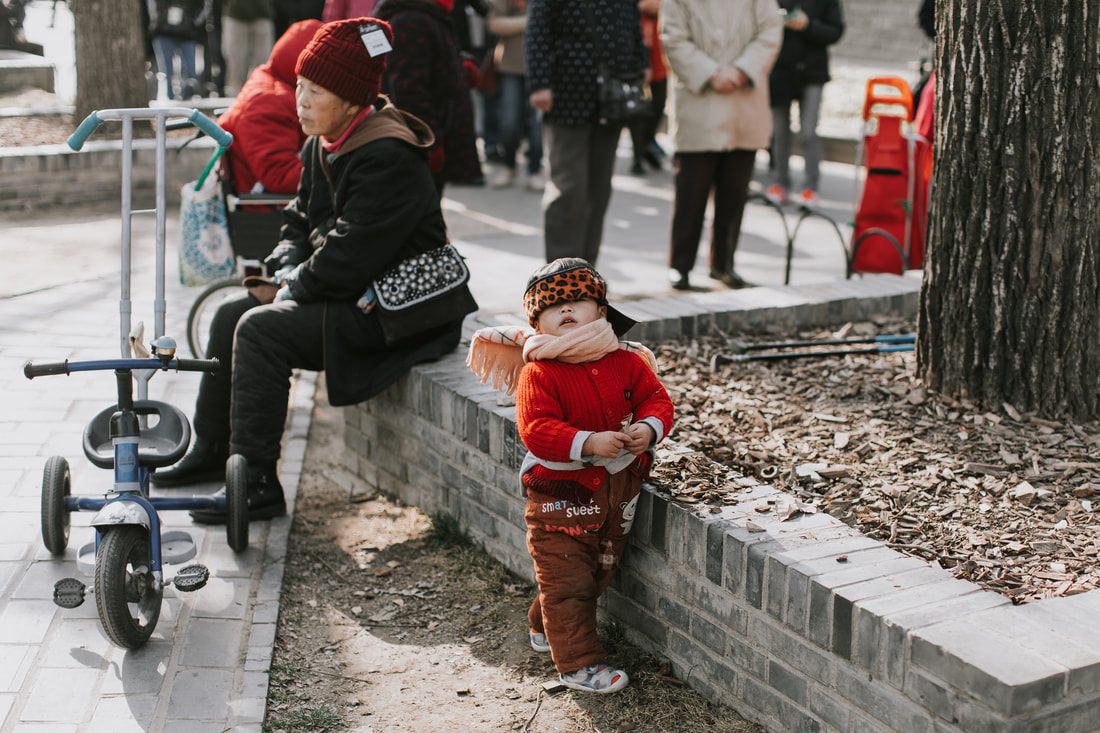
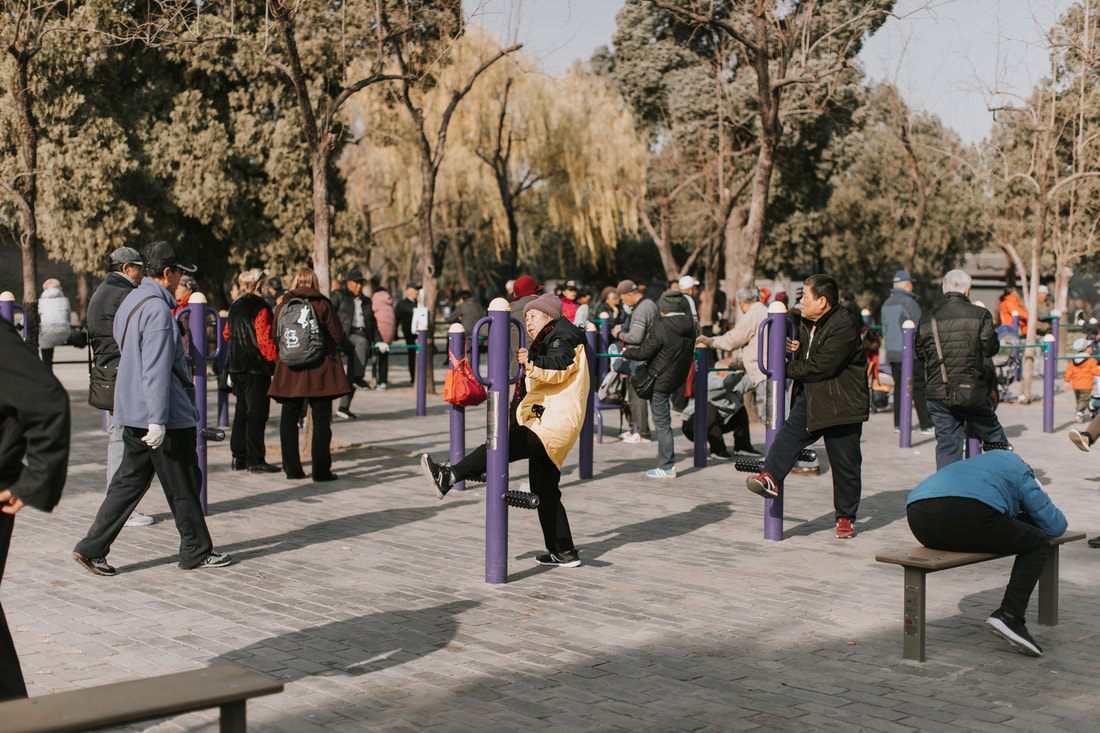
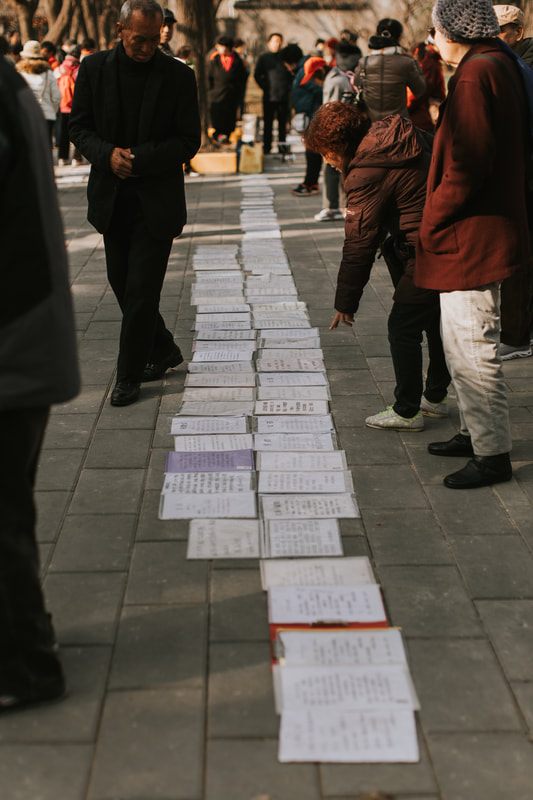
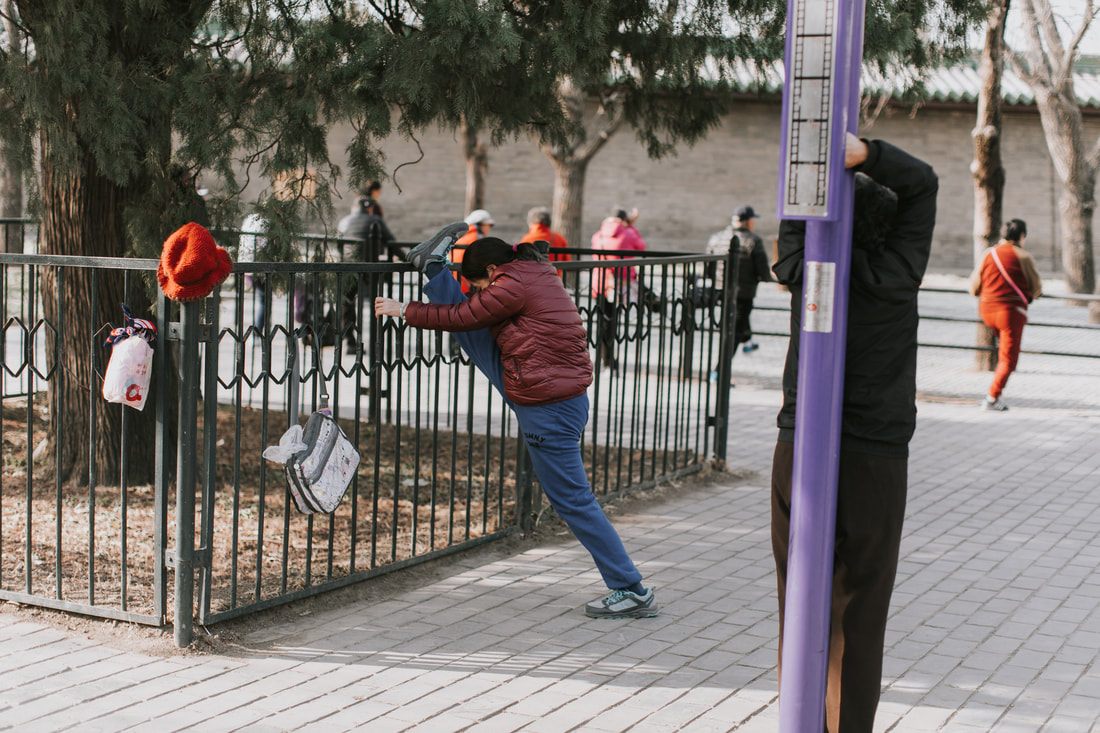
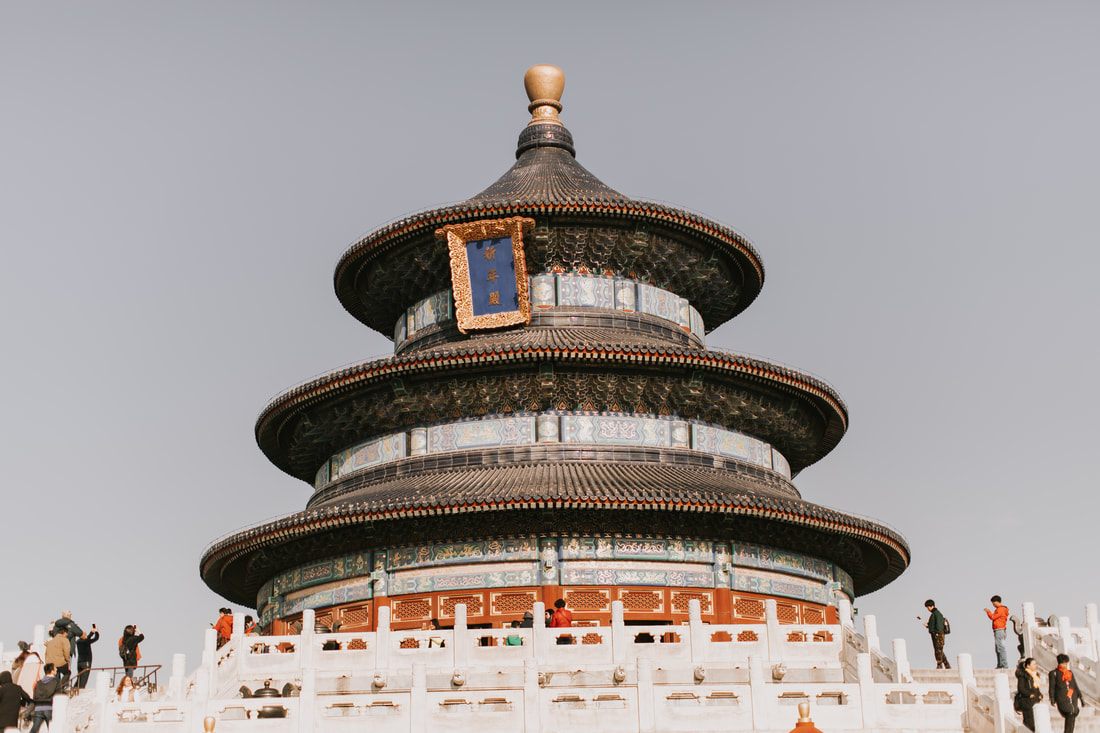
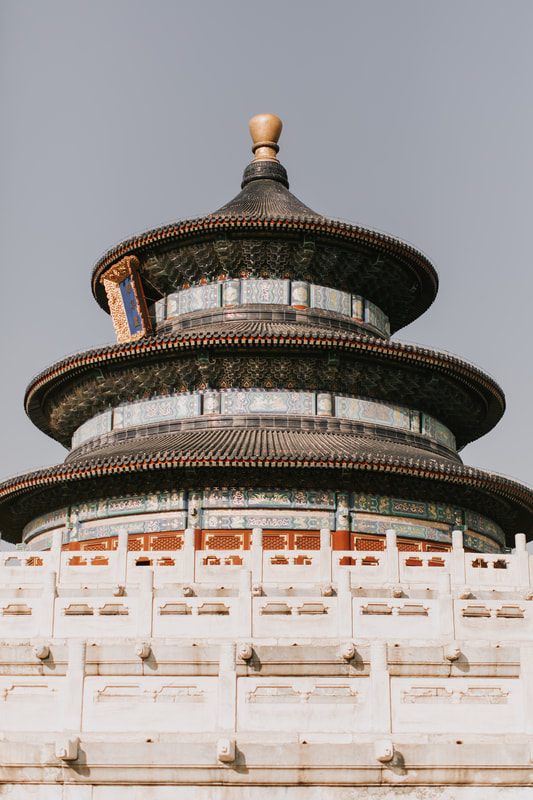
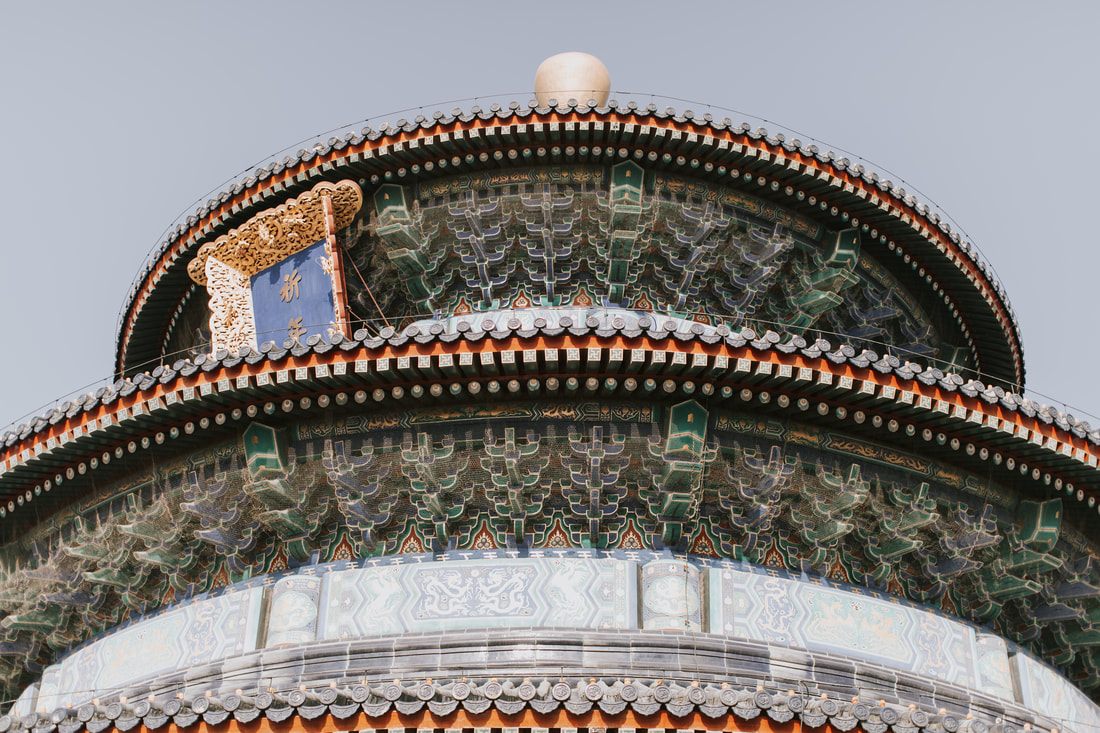
Before touring the Temple of Heaven itself — an architectural masterpiece built in the 1400s for emperors of the Ming and Qing dynasties — we wandered a nearby park early one morning and found a scene you’d never see back home: hundreds of elderly locals gathered to play cards, stretch, do yoga, sing, and exercise together. Tucked into one corner was what I can only describe as in-person matchmaking, with parents laying out worksheets describing their children — height, salary, education, a photo — hoping to find a suitable match.
Tiananmen Square and the Great Wall
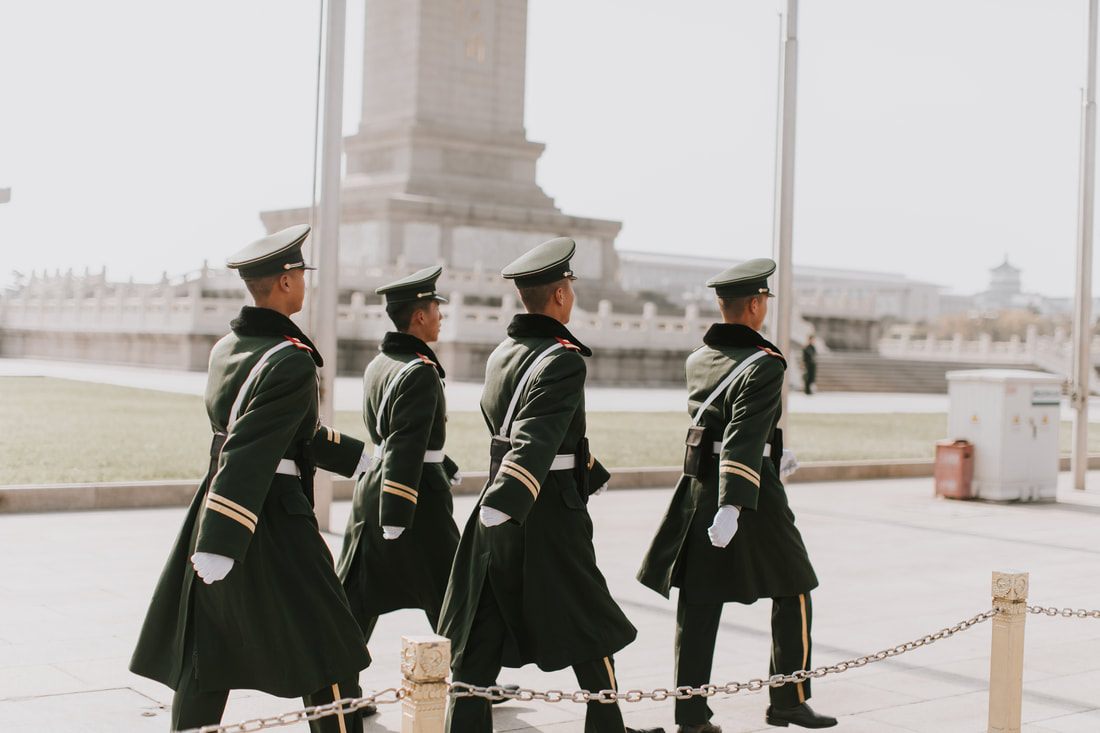
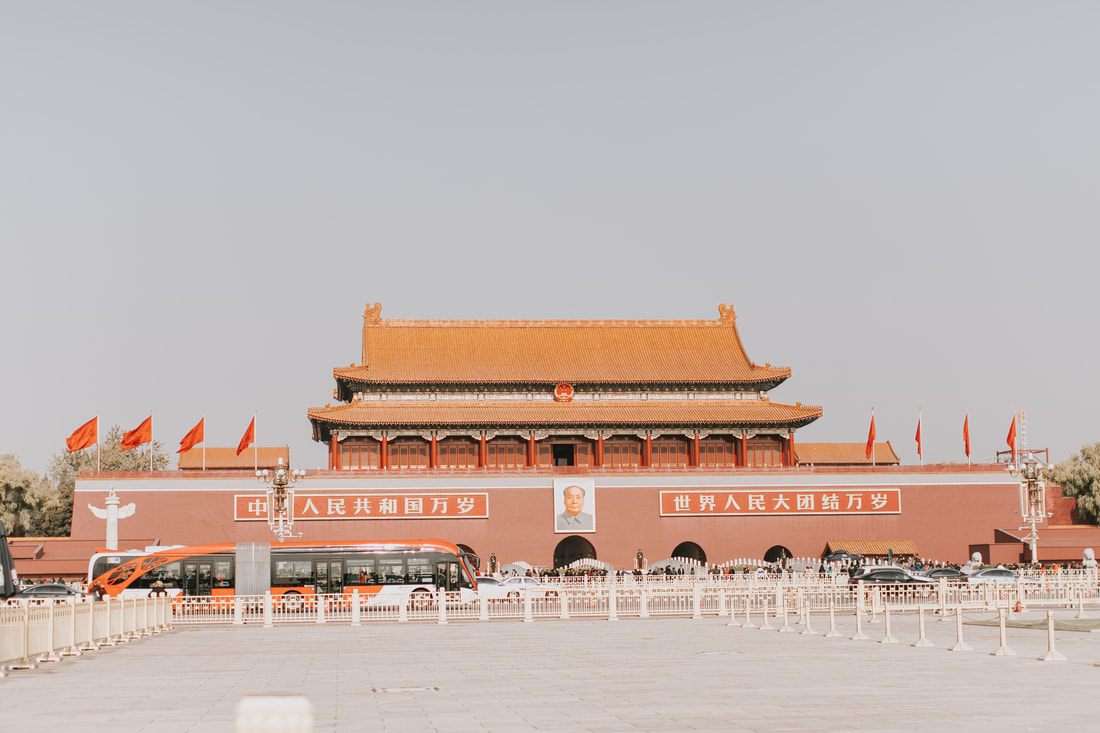
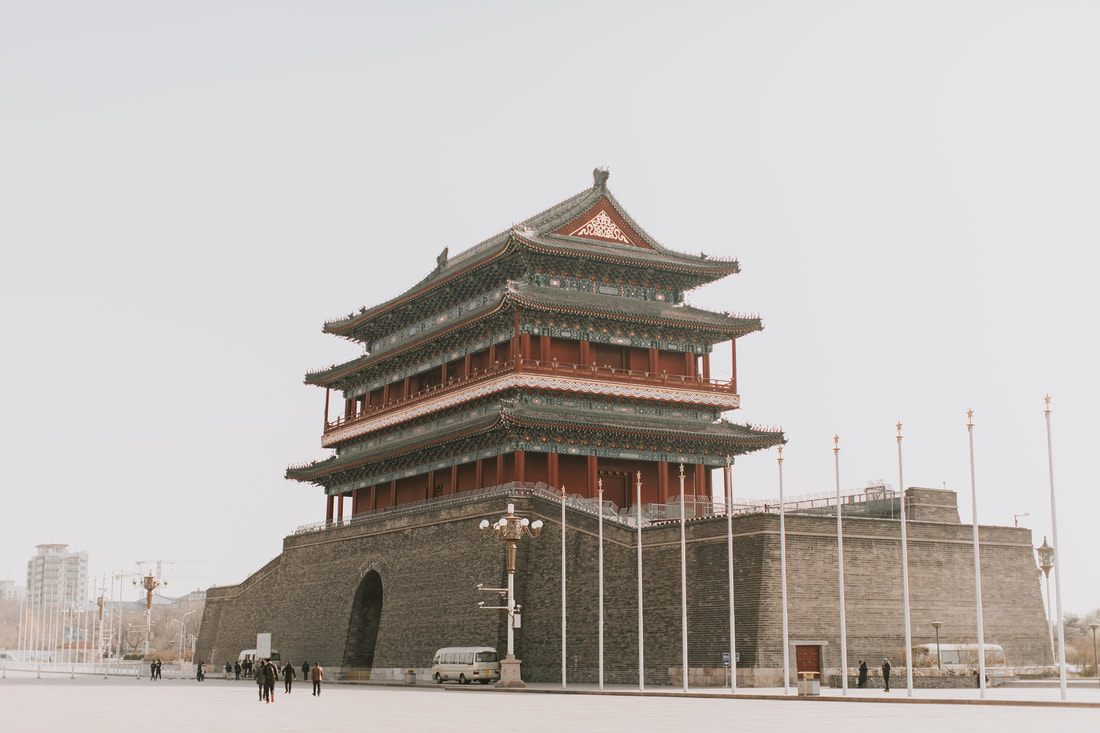
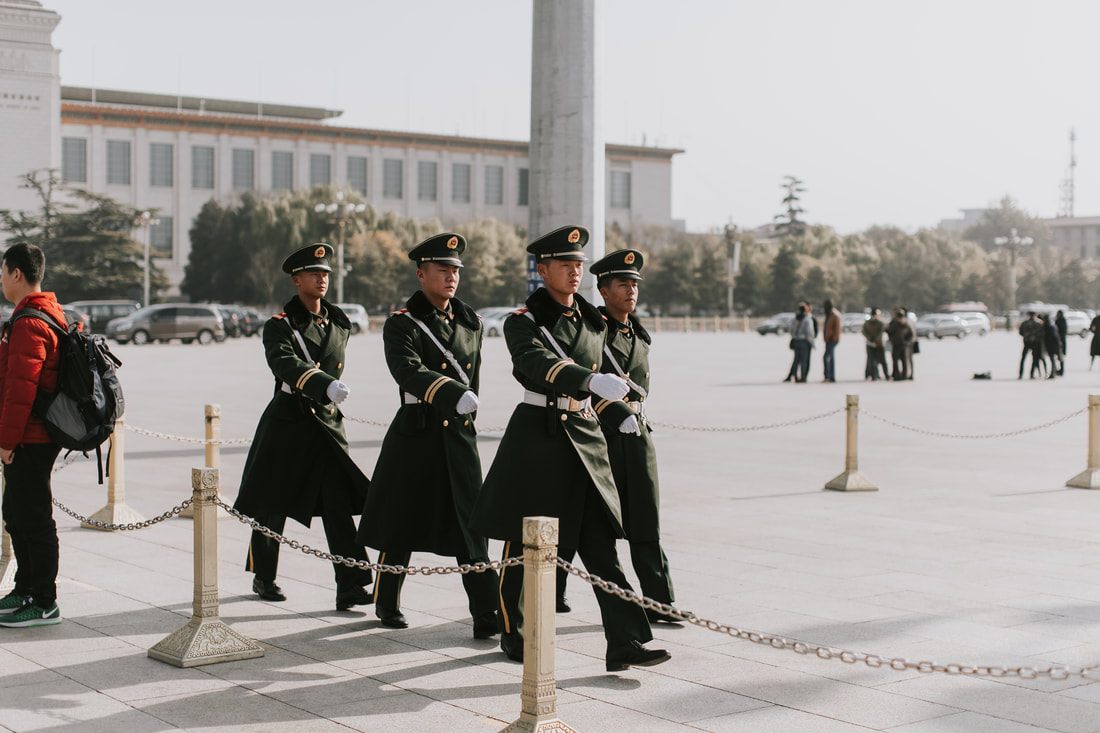
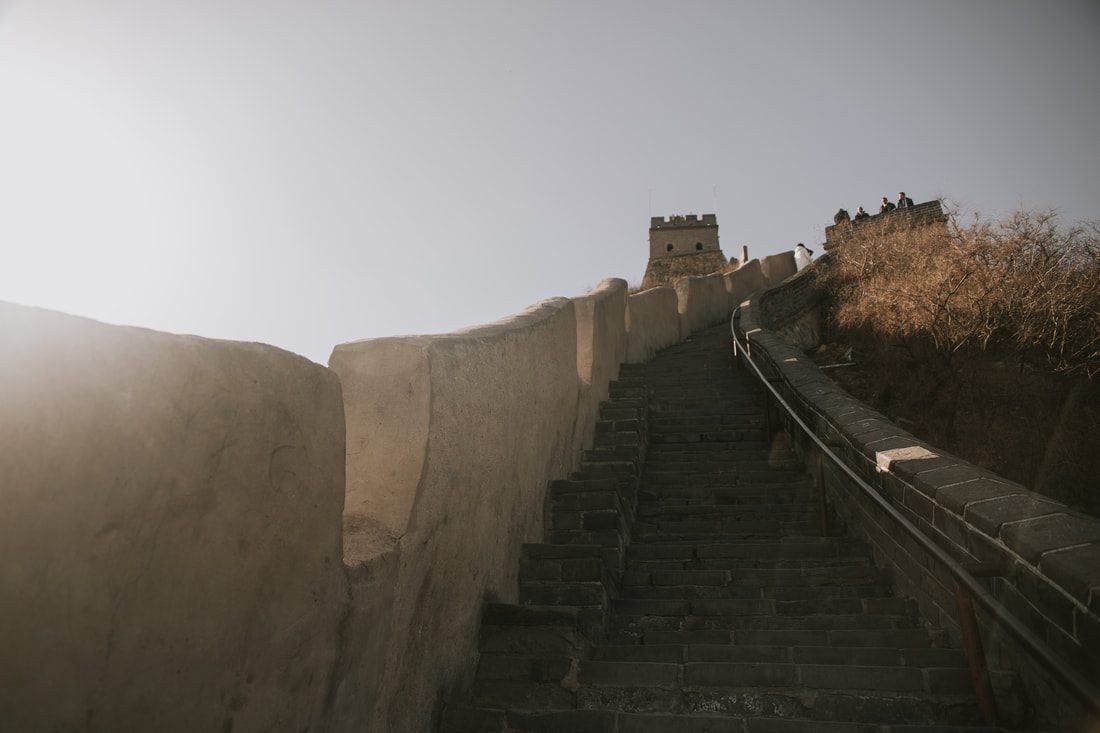
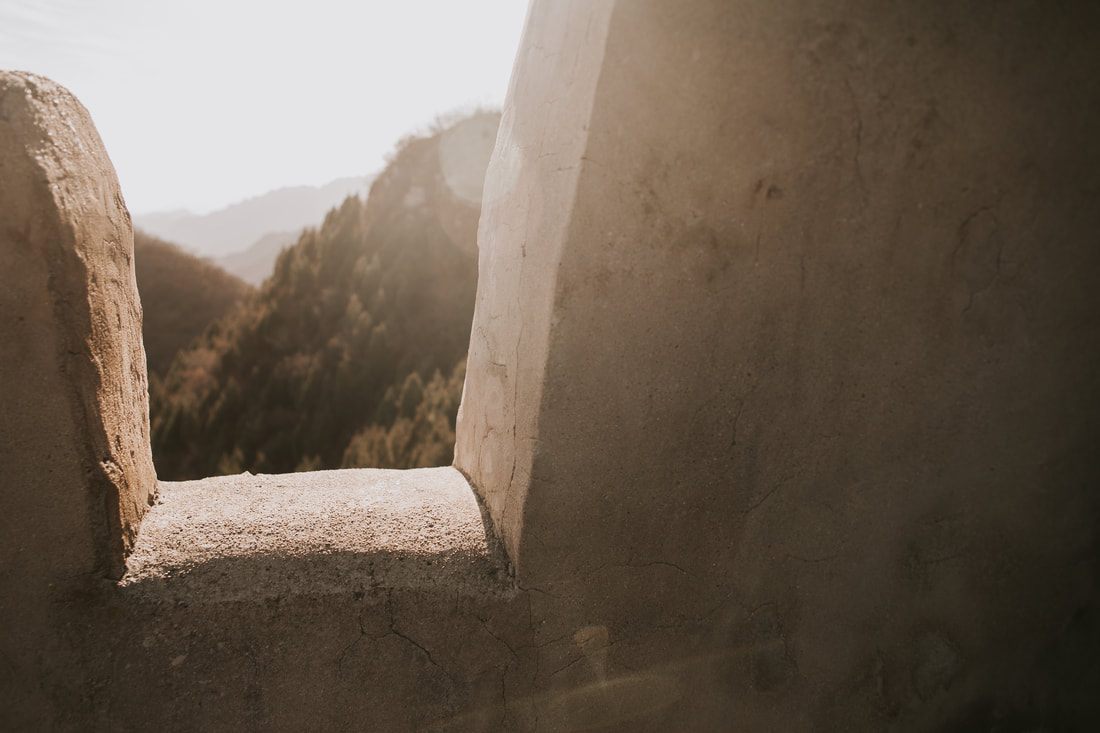
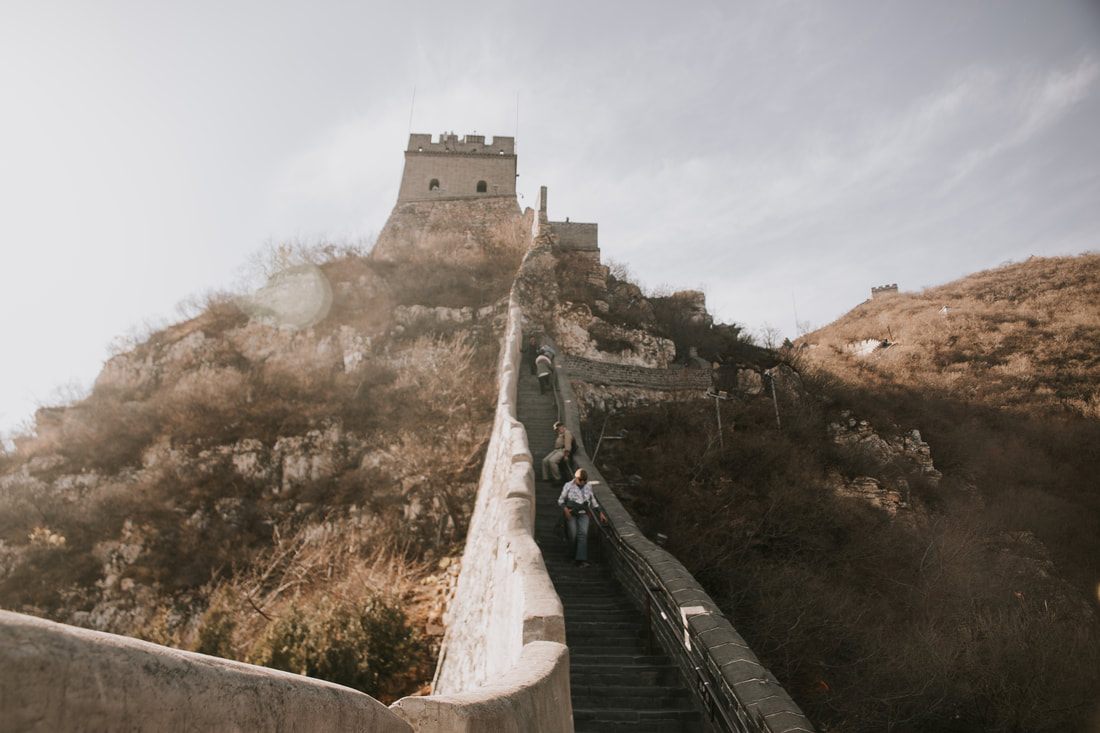
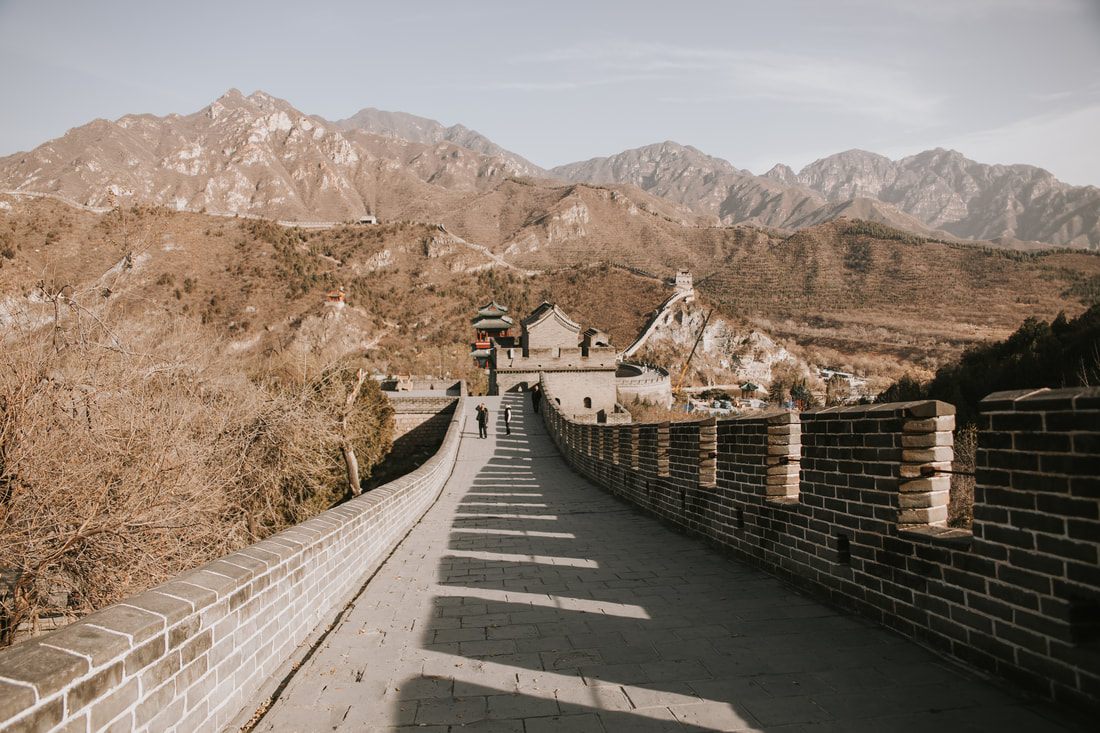
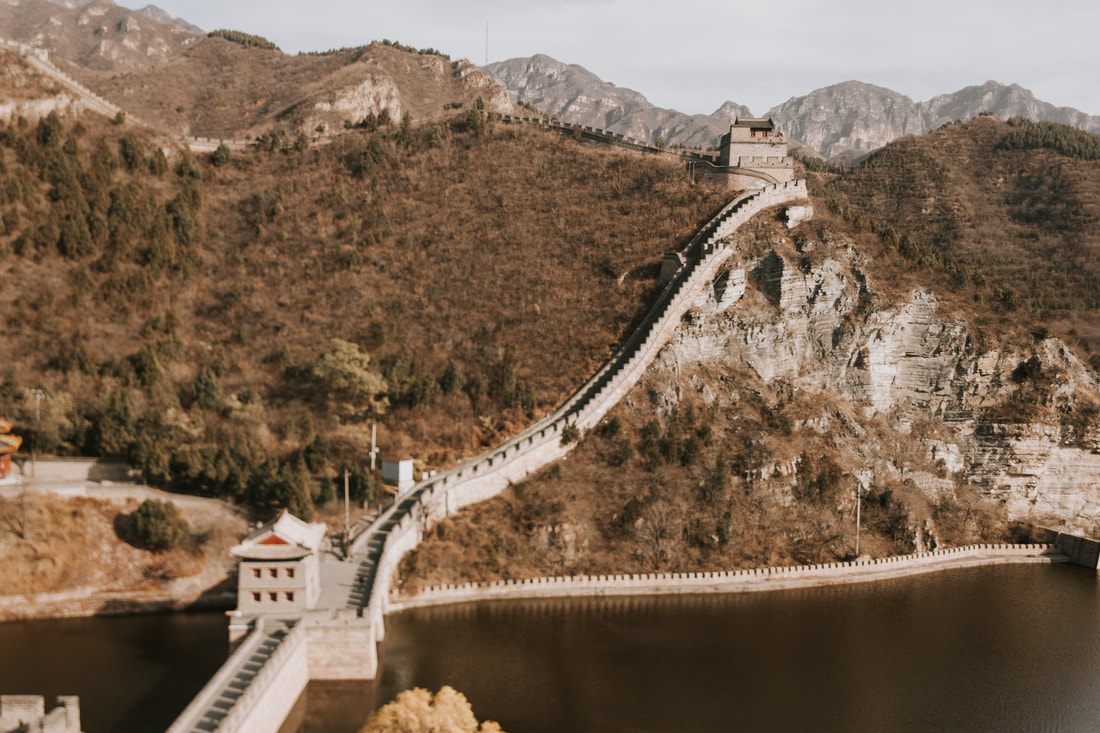
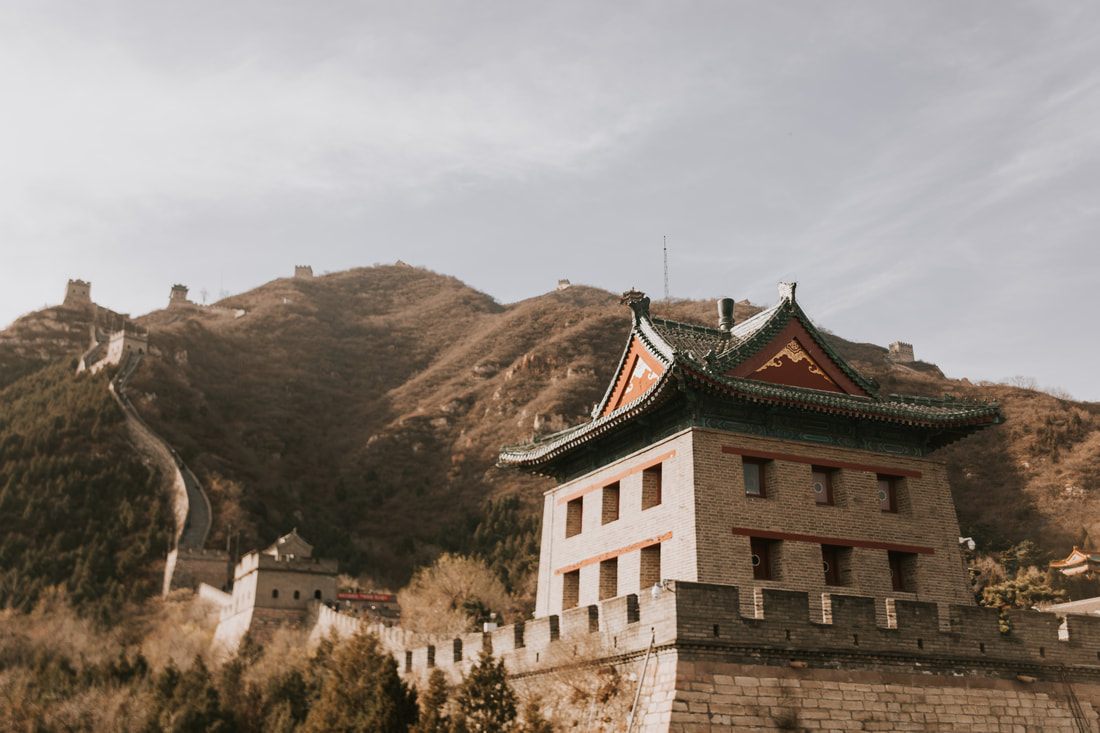
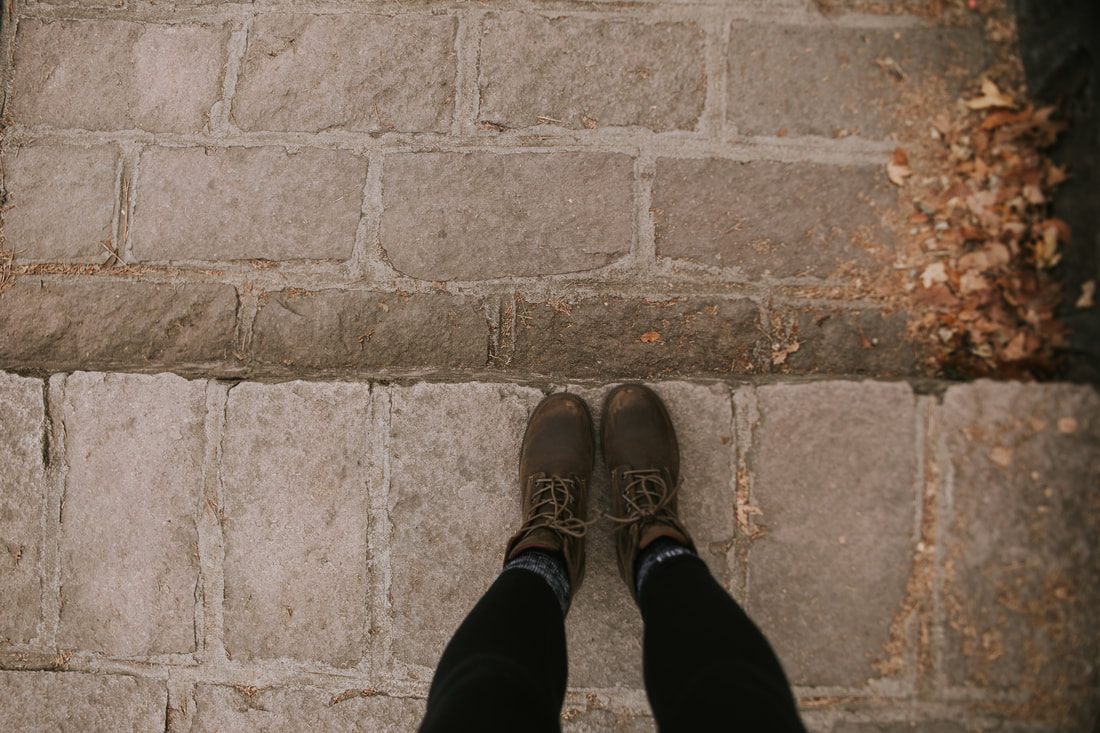
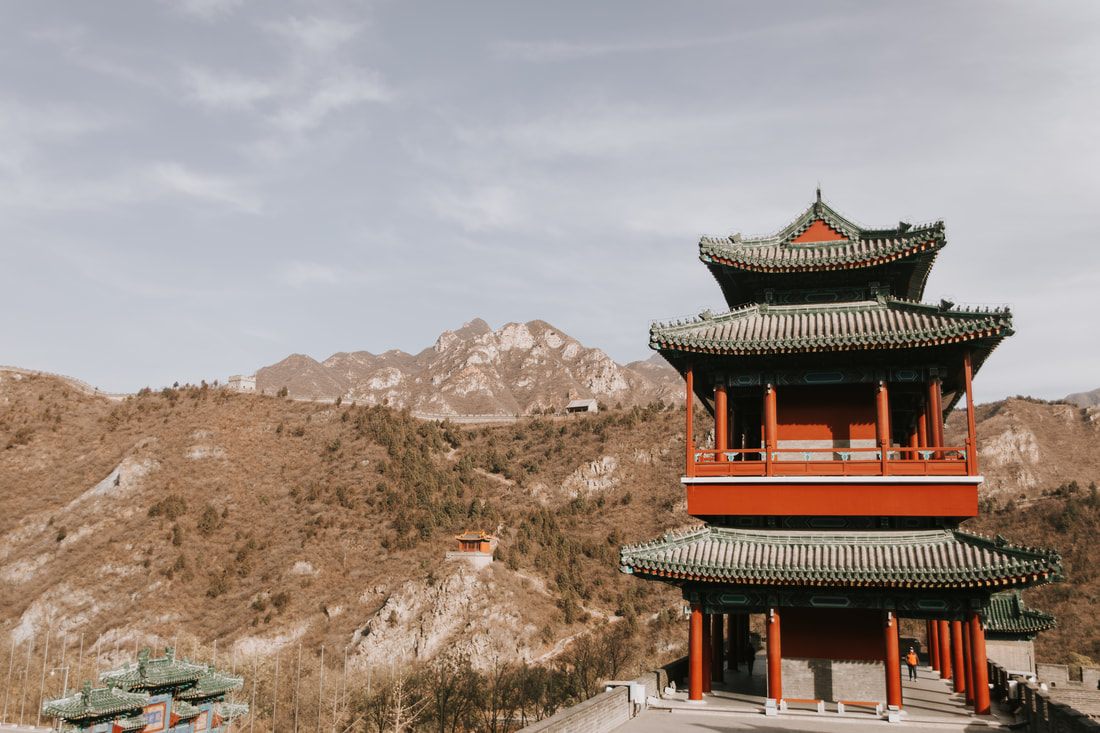
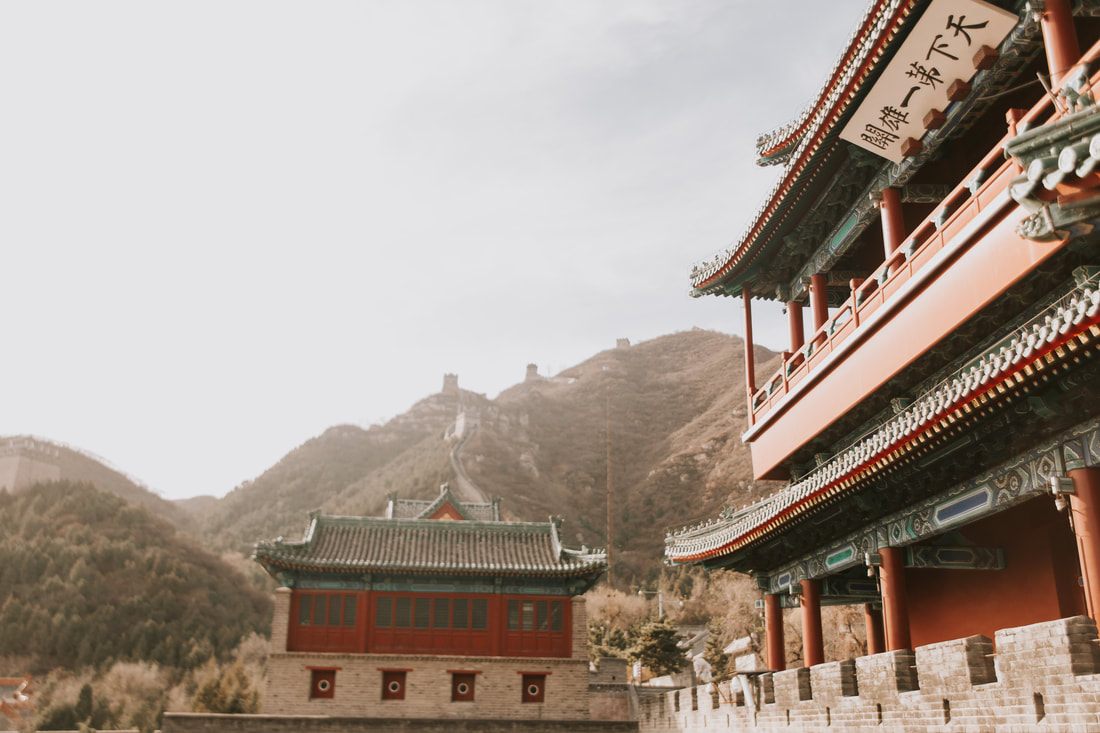
Tiananmen Square sits at the heart of the city, home to the Monument to the People’s Heroes, the Great Hall of the People, the National Museum of China, and the Mausoleum of Mao Zedong, who proclaimed the founding of the People’s Republic of China here on October 1, 1949. From there we made our way to the Great Wall at Juyongguan, one of the Seven Wonders of the World. I climbed and walked a stretch of it for about half a day — the steps are wildly uneven, some six inches tall and the next two feet, so you’re constantly watching your footing even on the rebuilt sections. I walked most of it alone, and there’s something powerful about standing somewhere that grand, alone with your thoughts.
Hutong life and a home-cooked meal
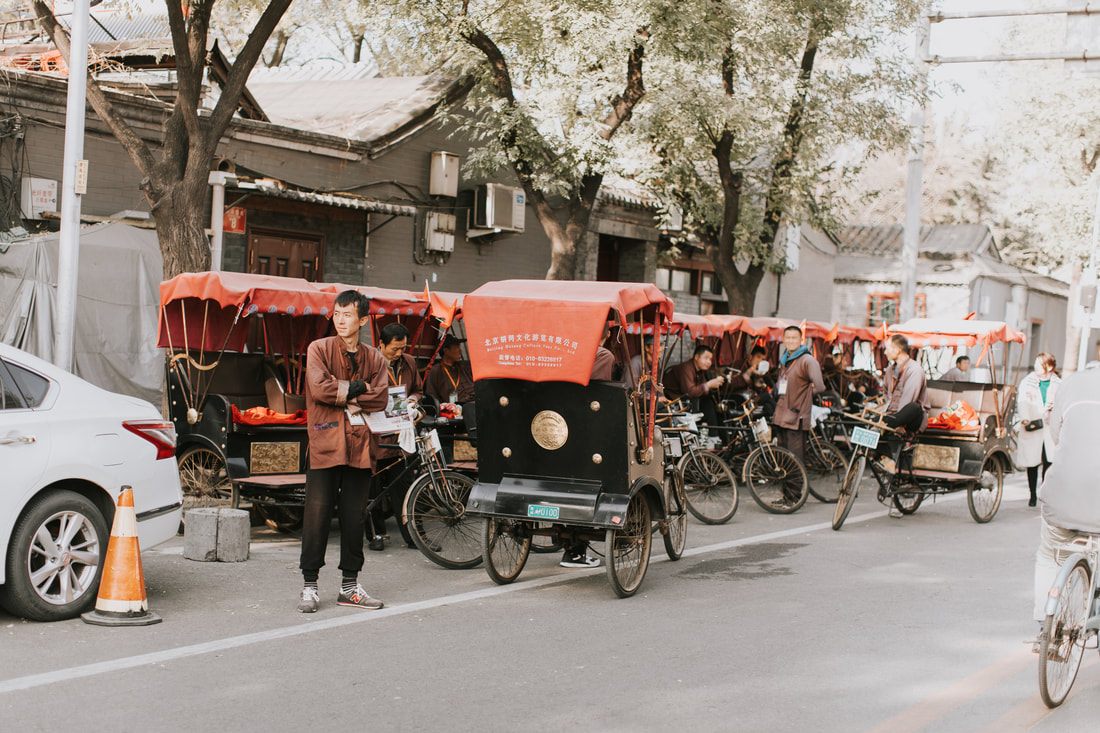
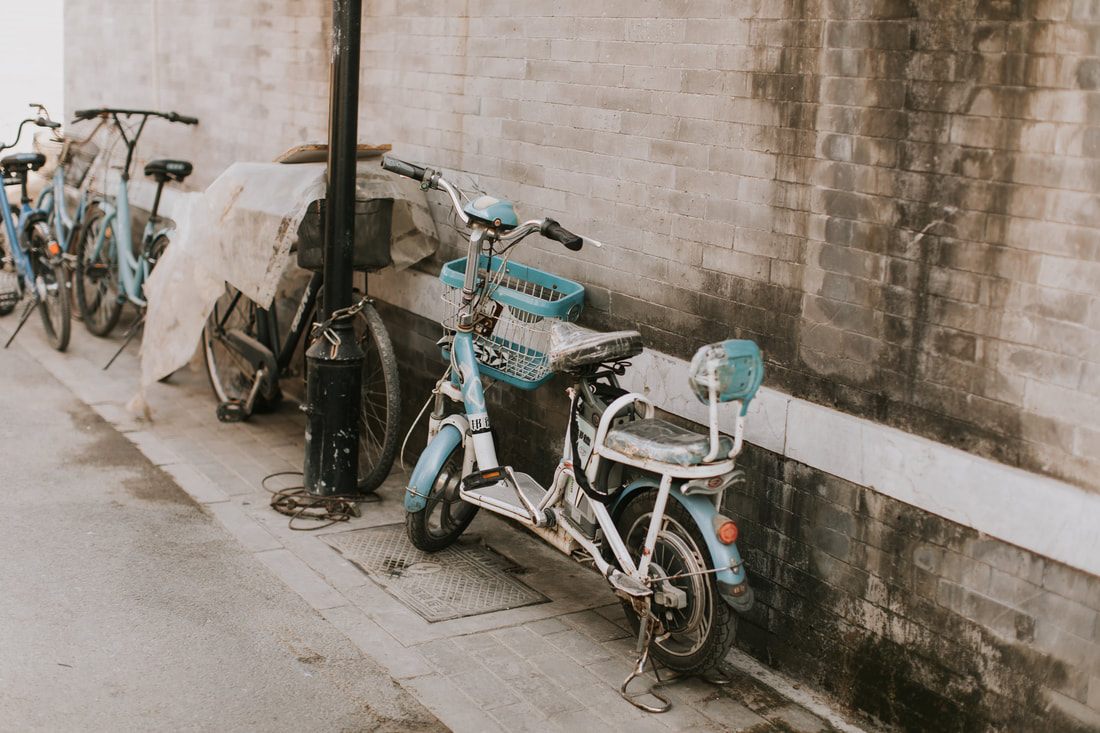
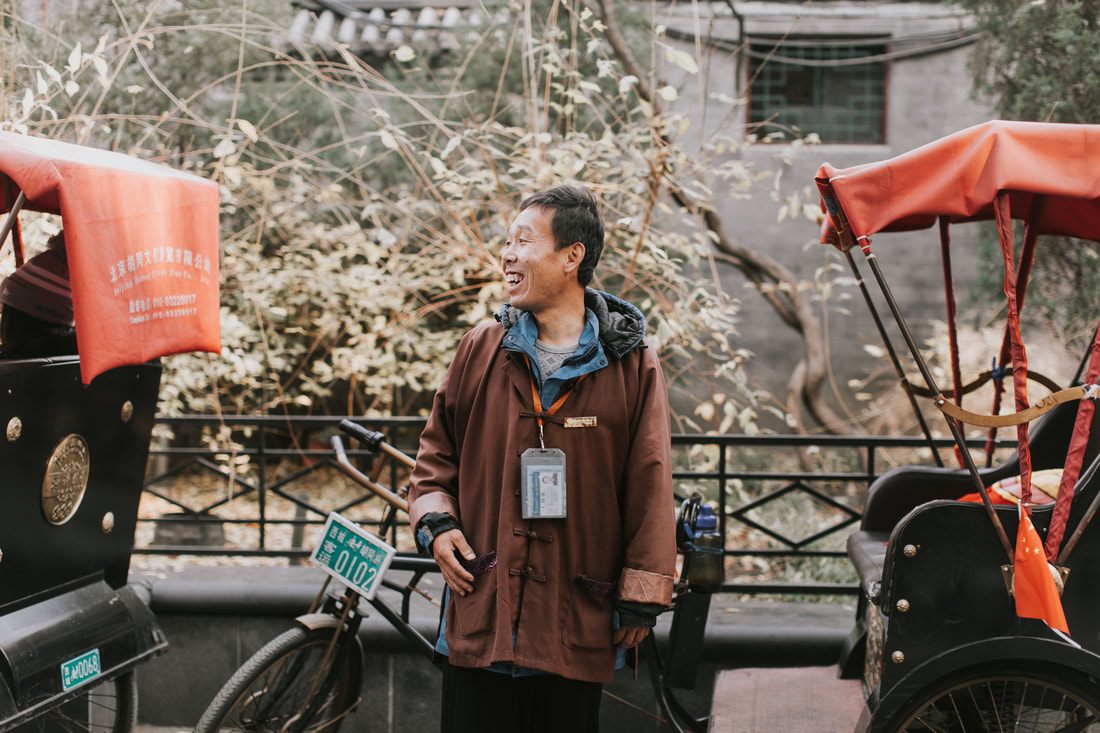
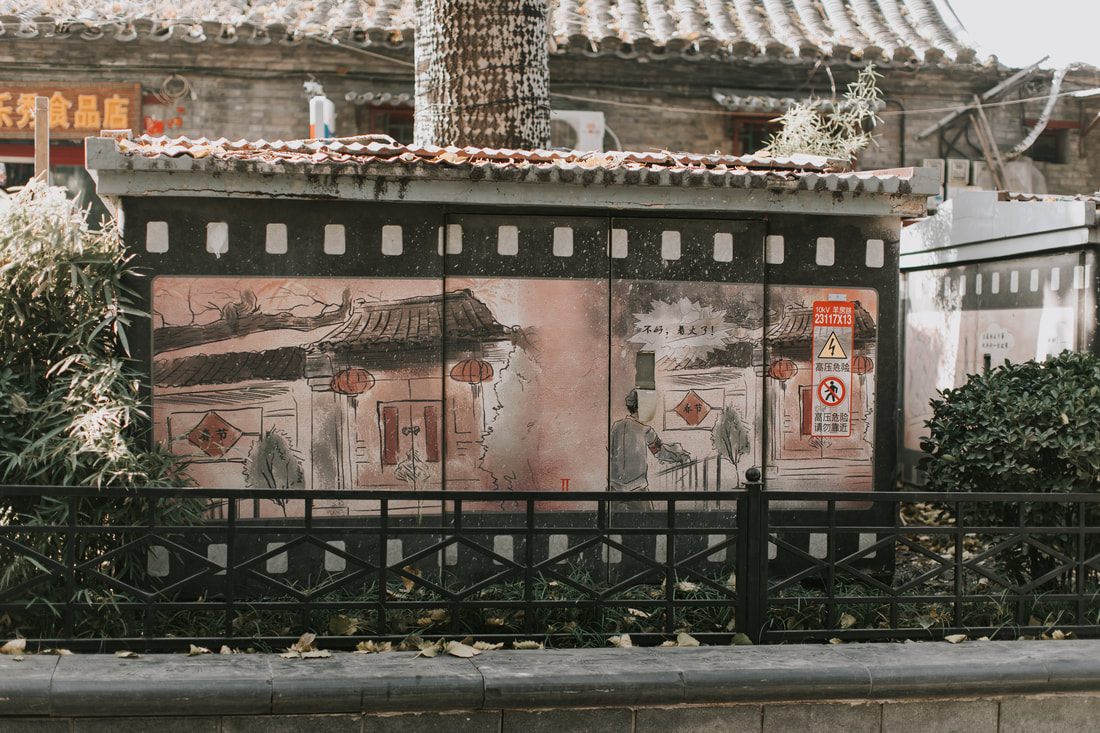
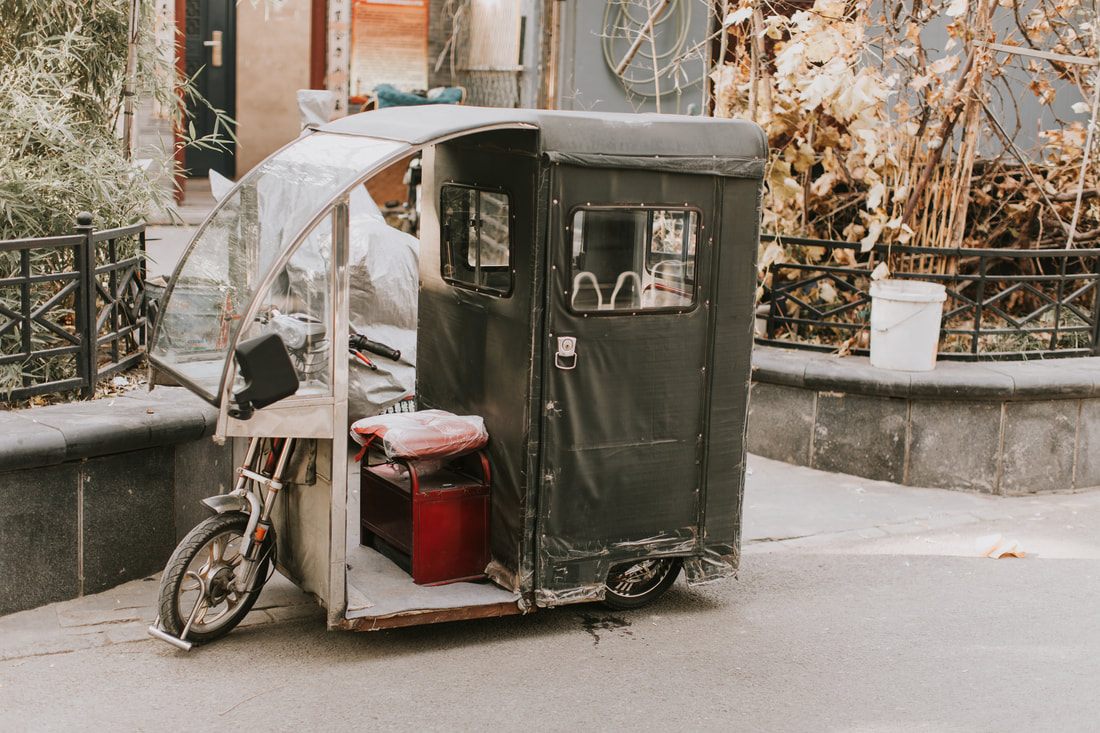
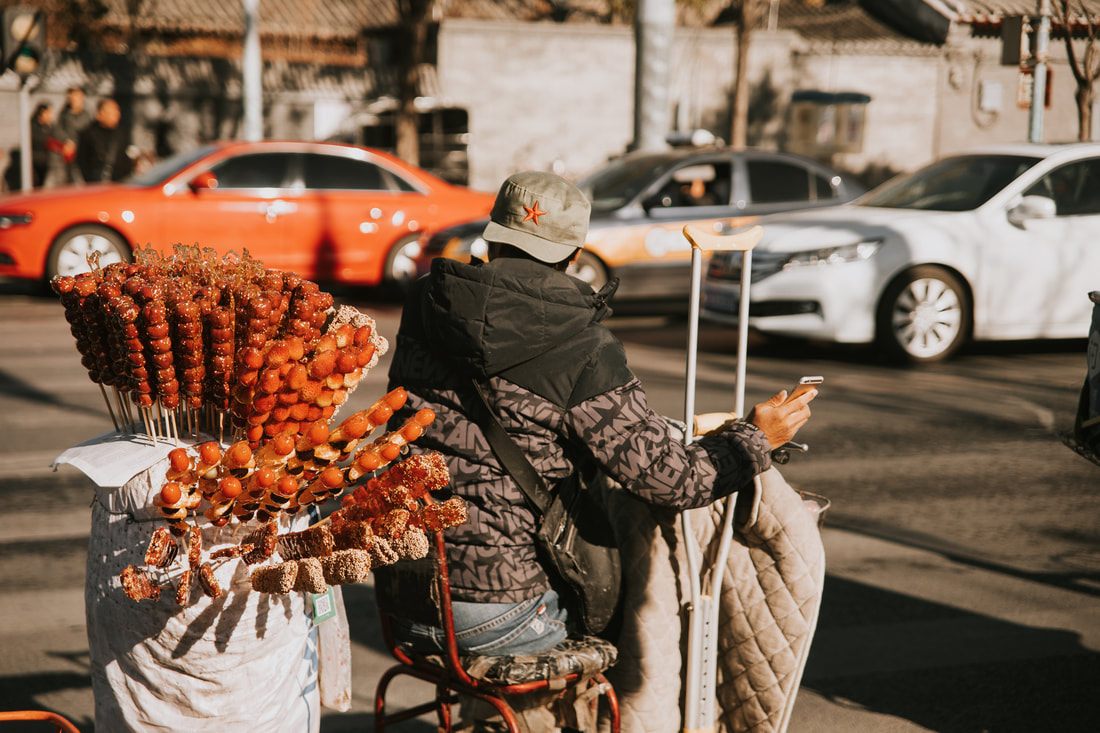
We rode with locals into a hutong — a traditional neighborhood — and were lucky enough to share a home-cooked meal made from scratch with a local family, noodles included. Before the trip, I’d made a friend from Beijing named Mona, who met up with me, showed me around, and brought me to a different hutong at night by subway — lively with shopping and street food, a world apart from the quiet one I’d photographed earlier.
The Olympic Center, Forbidden City, and Summer Palace
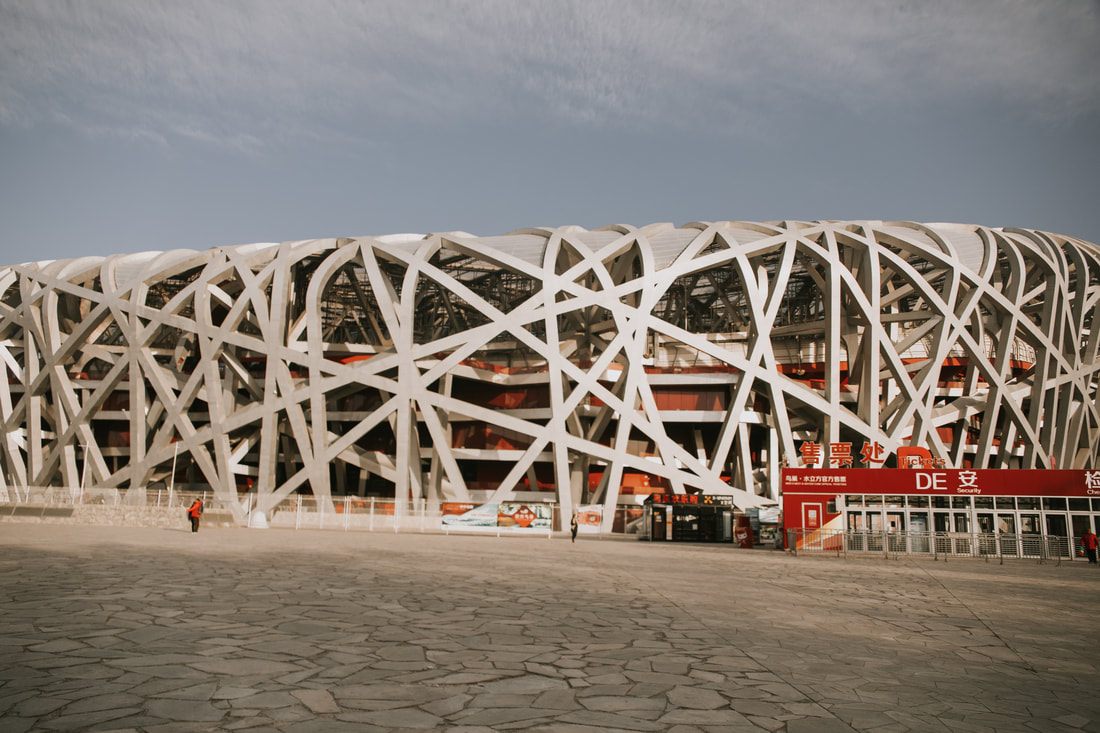
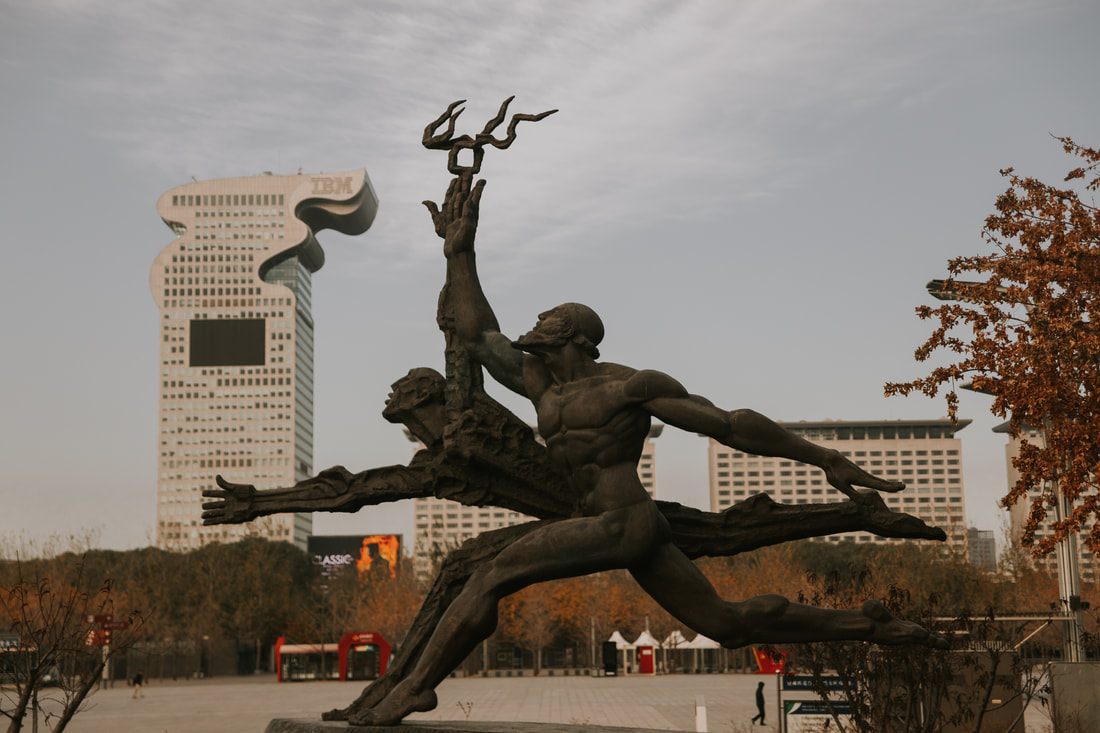
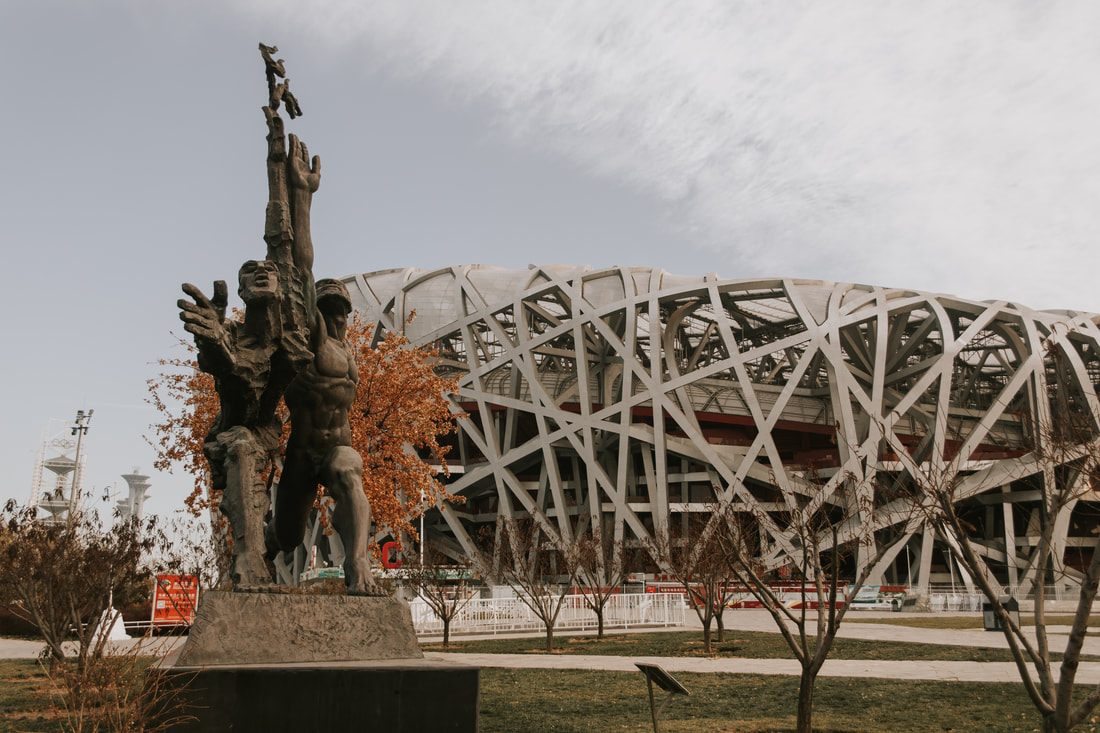
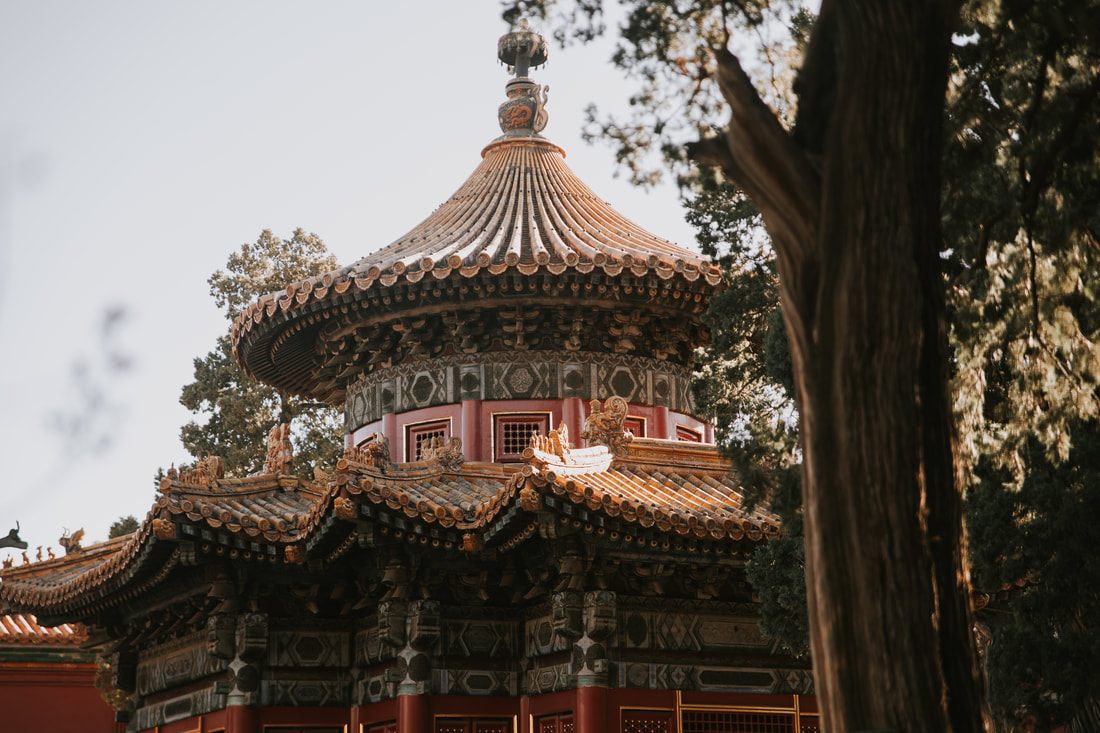
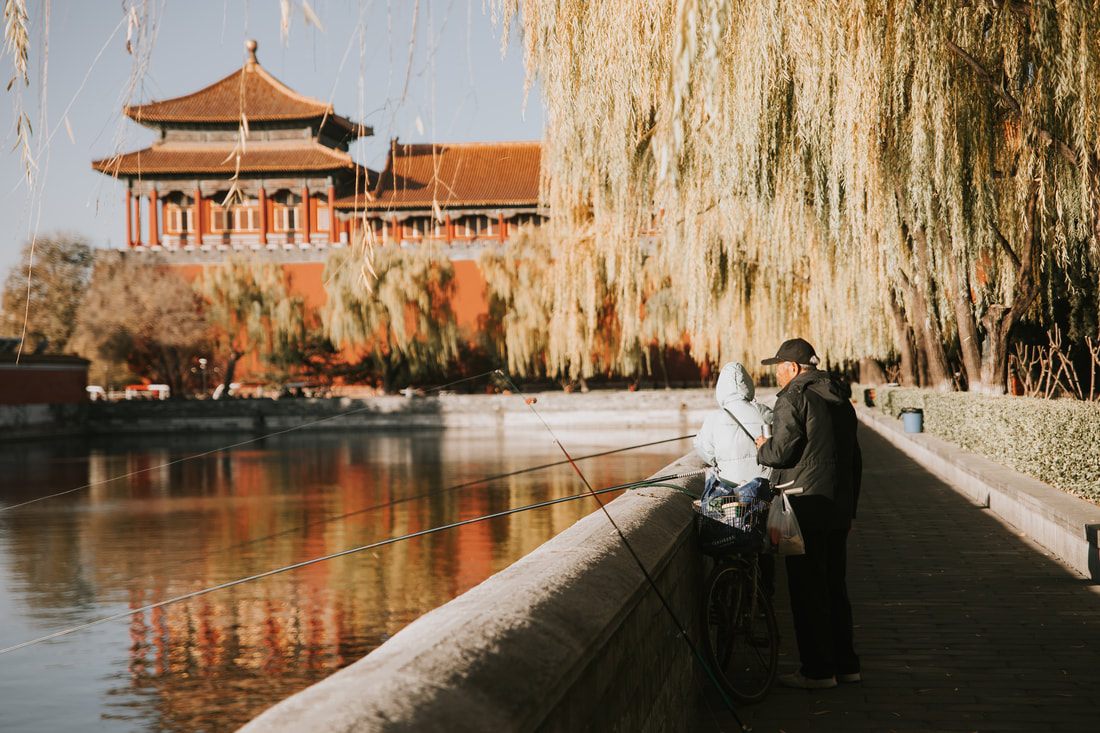
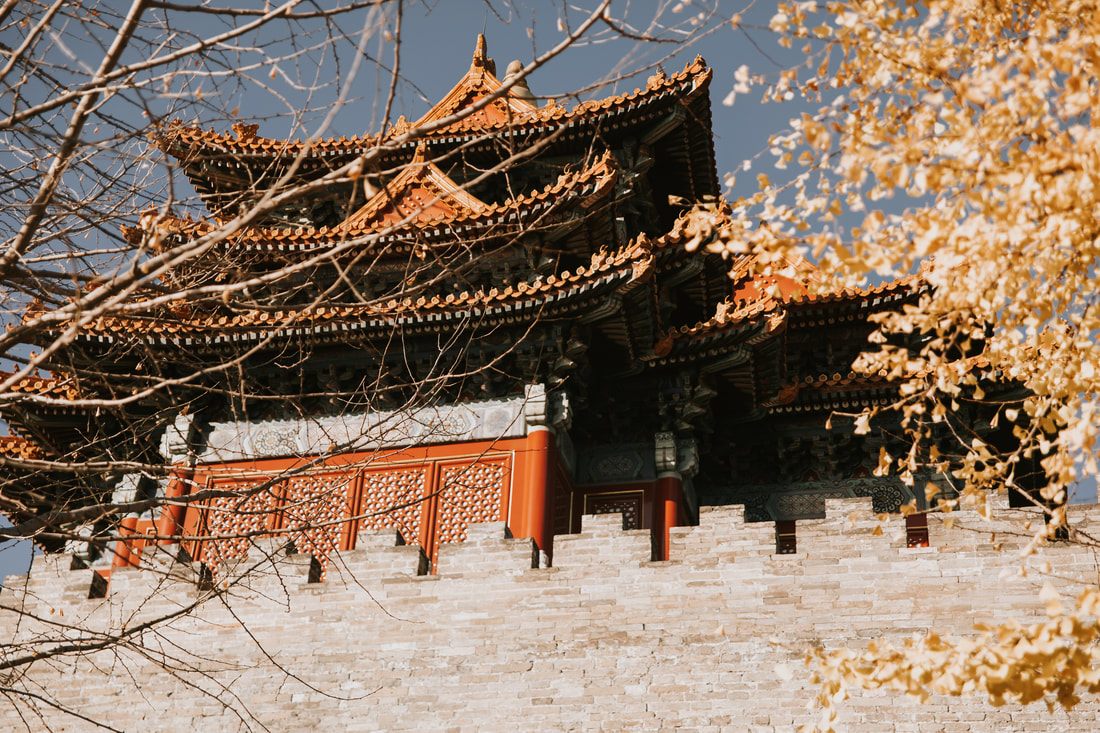
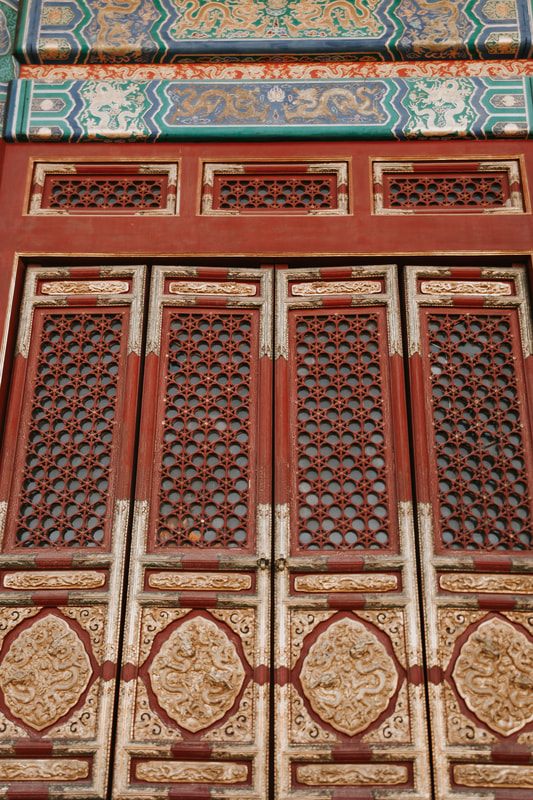
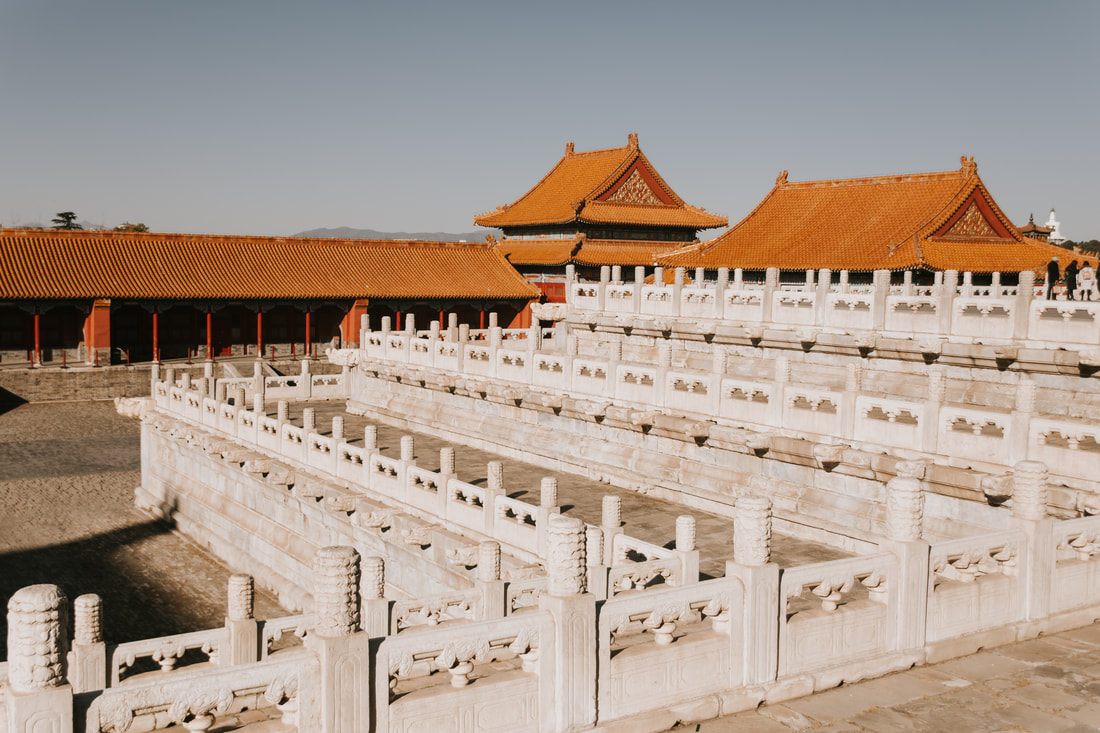
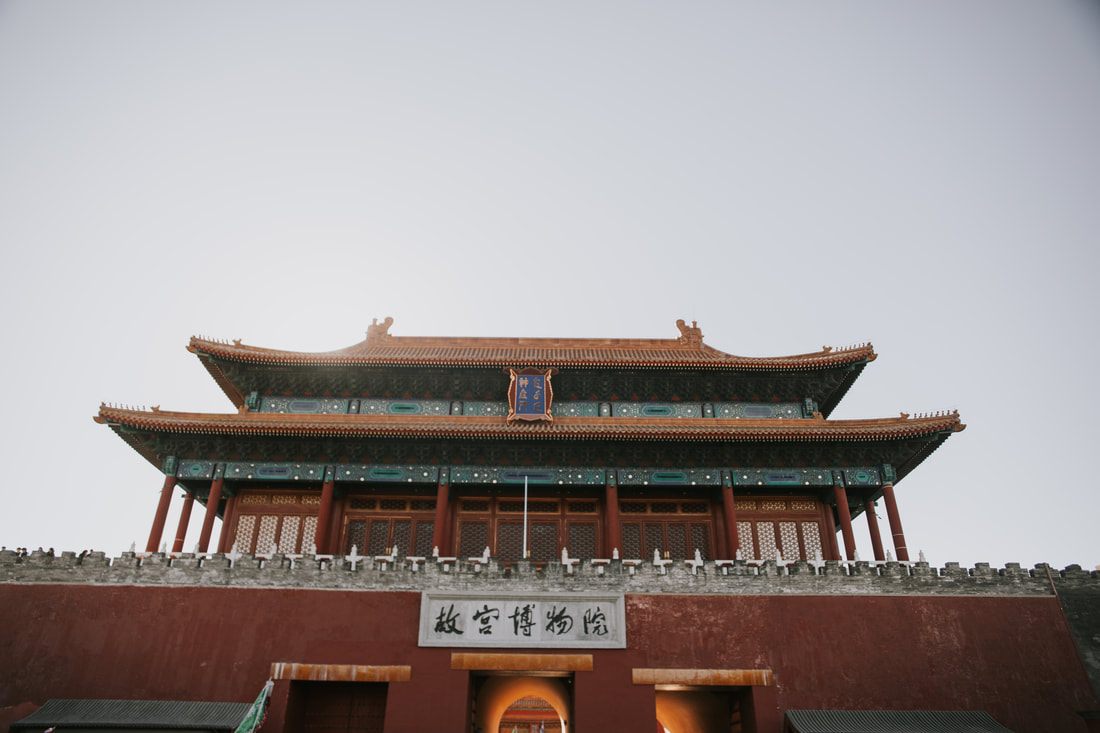
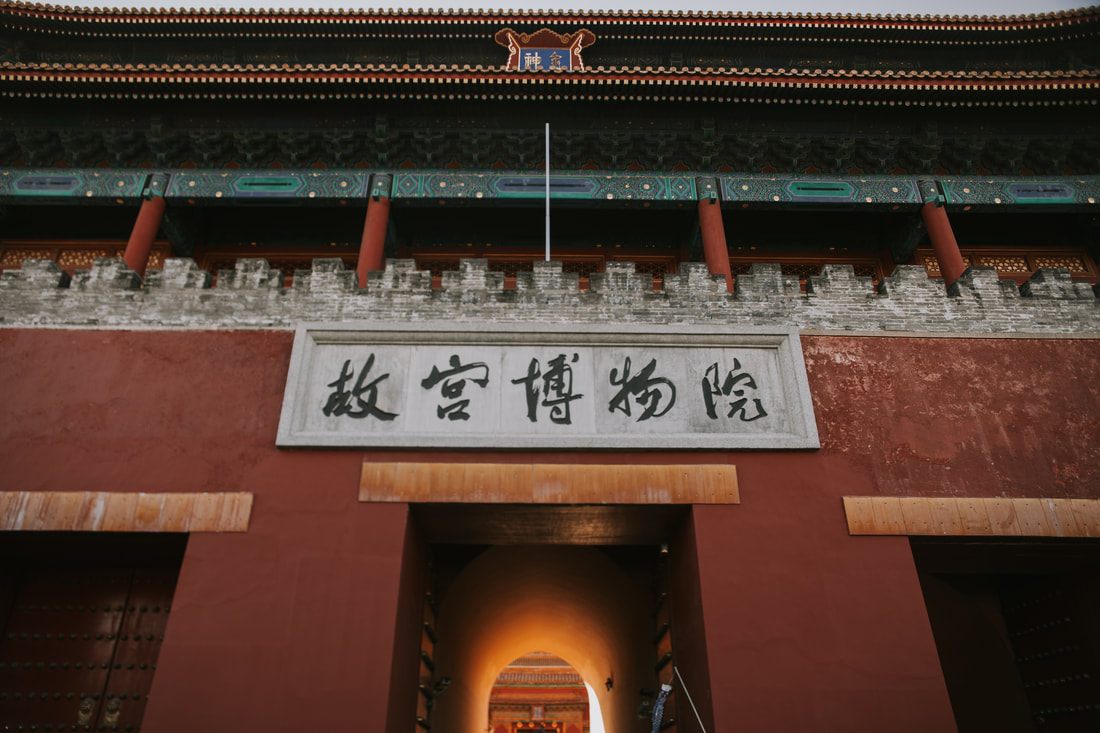
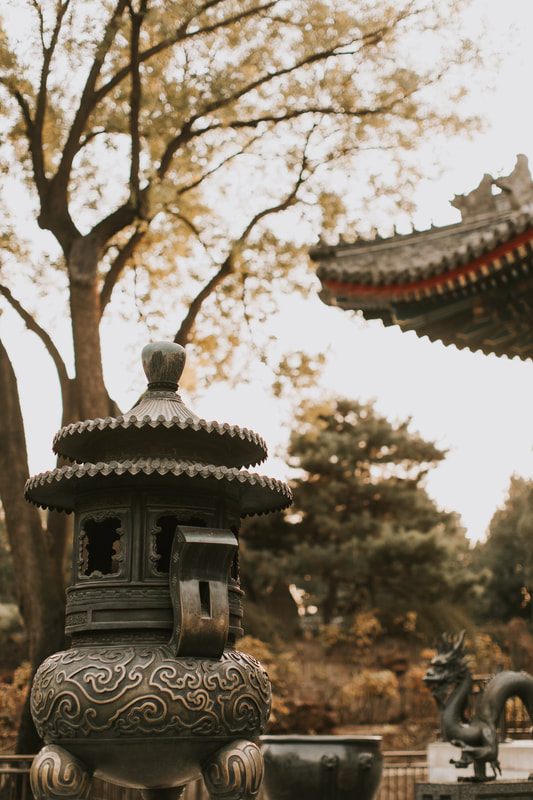
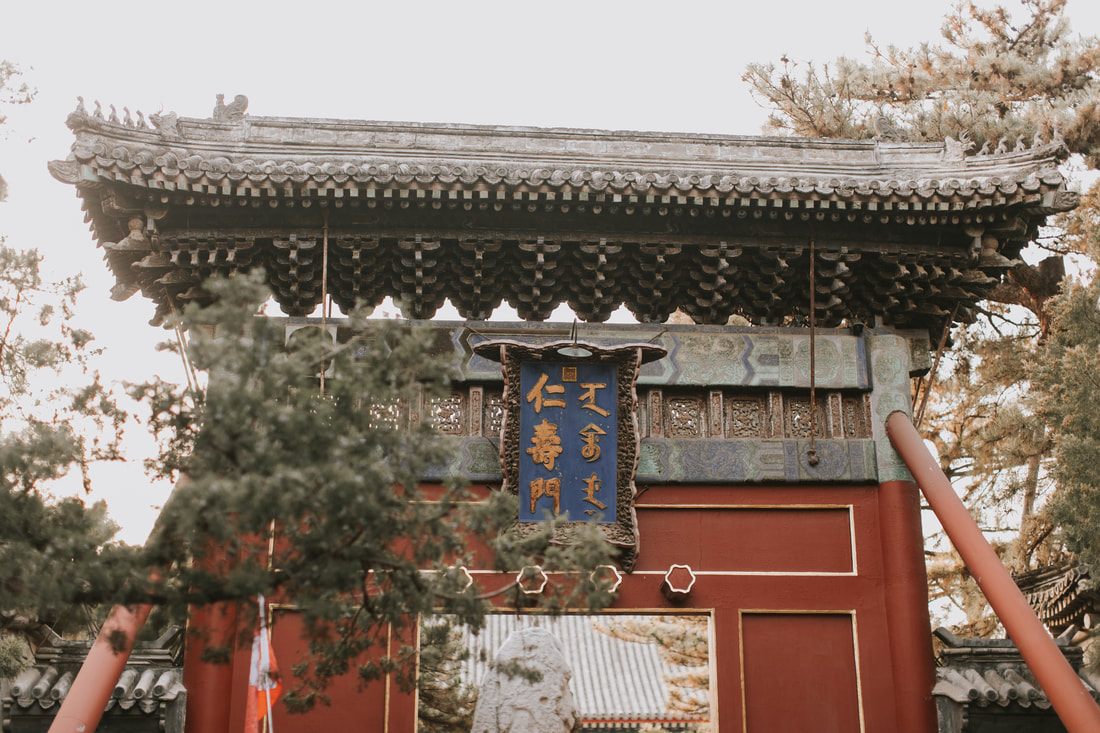
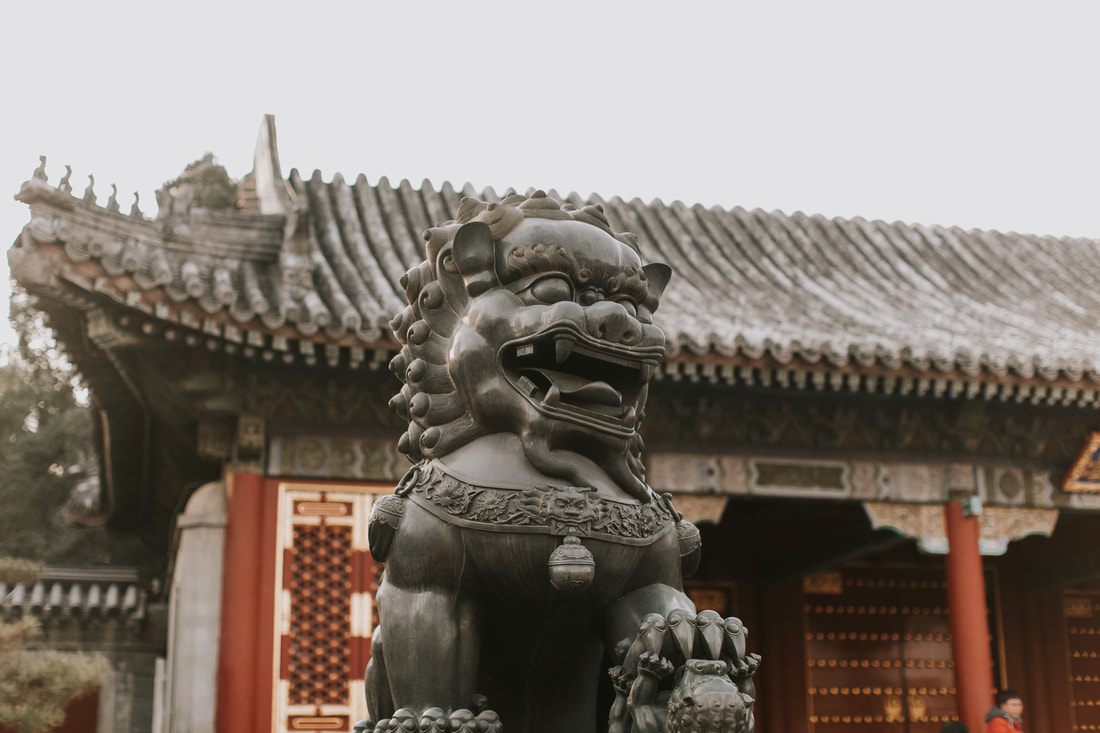
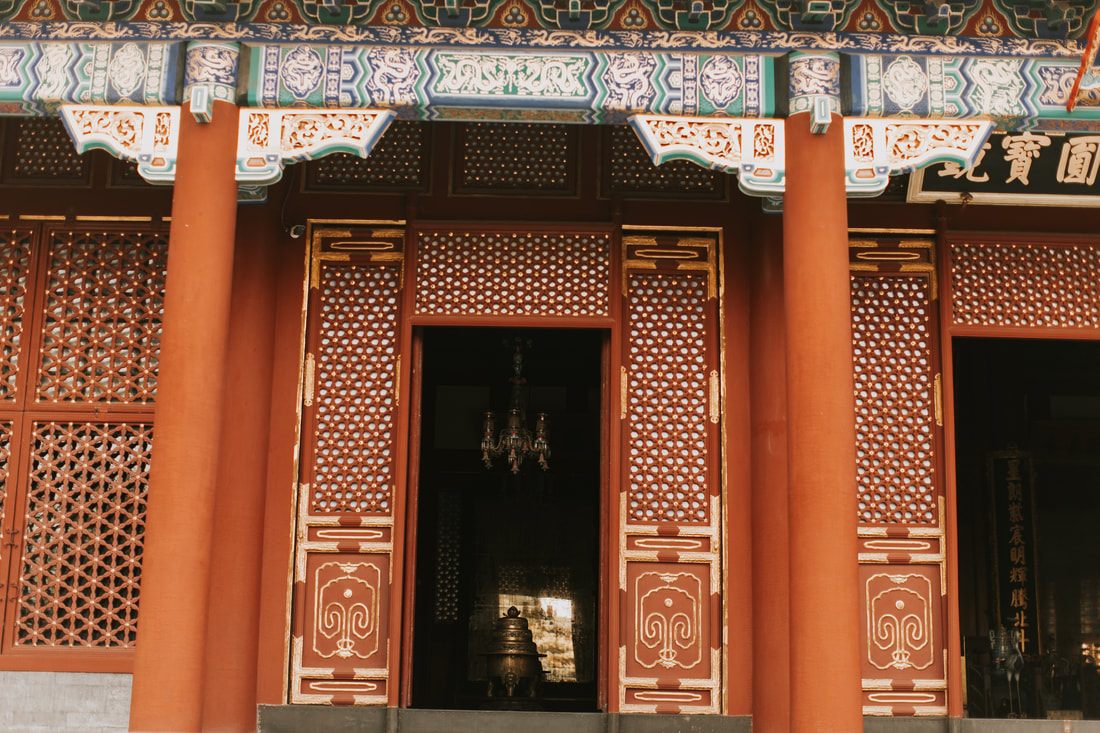
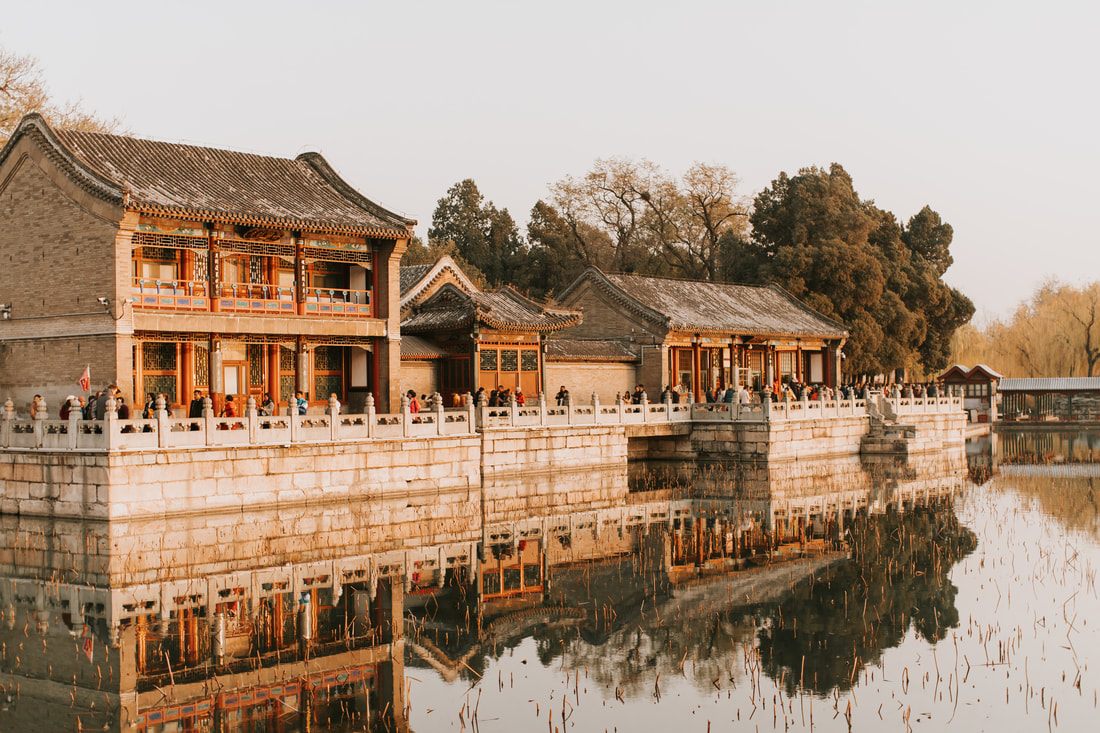
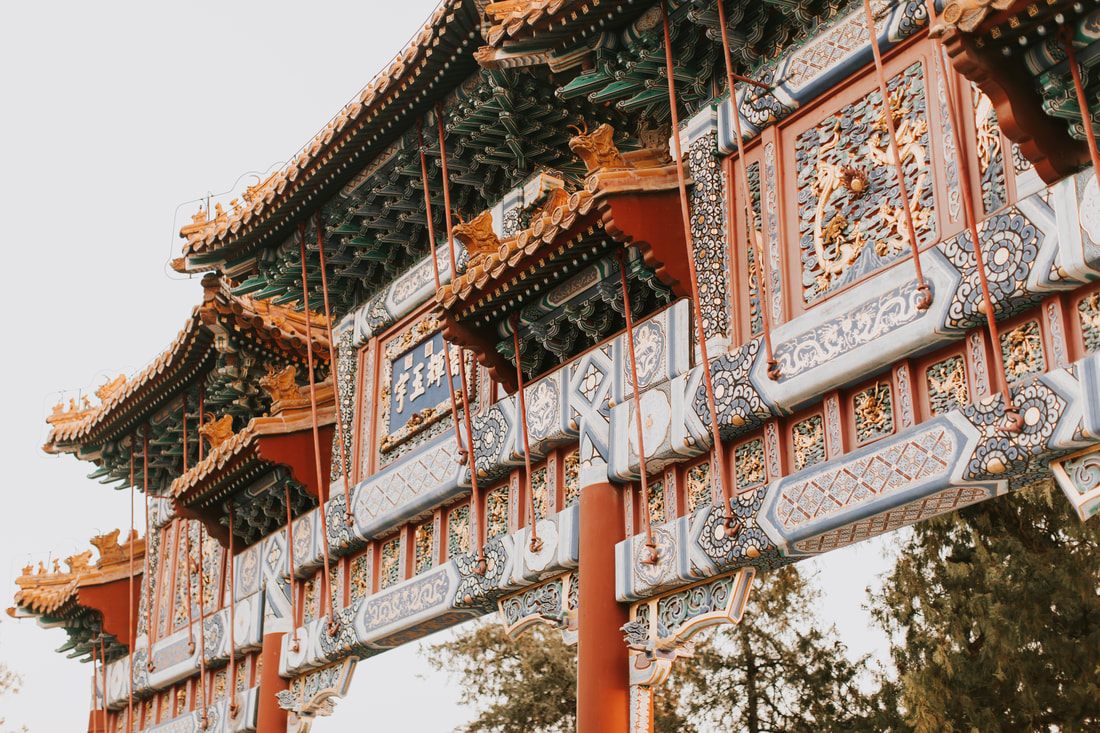
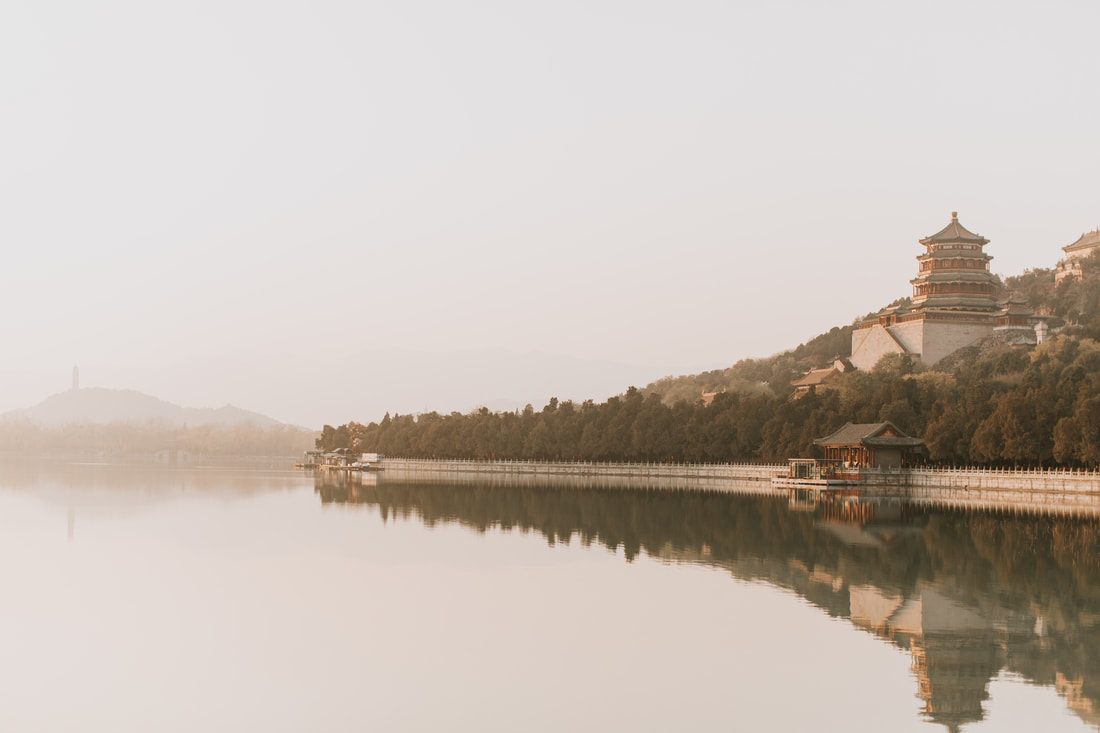
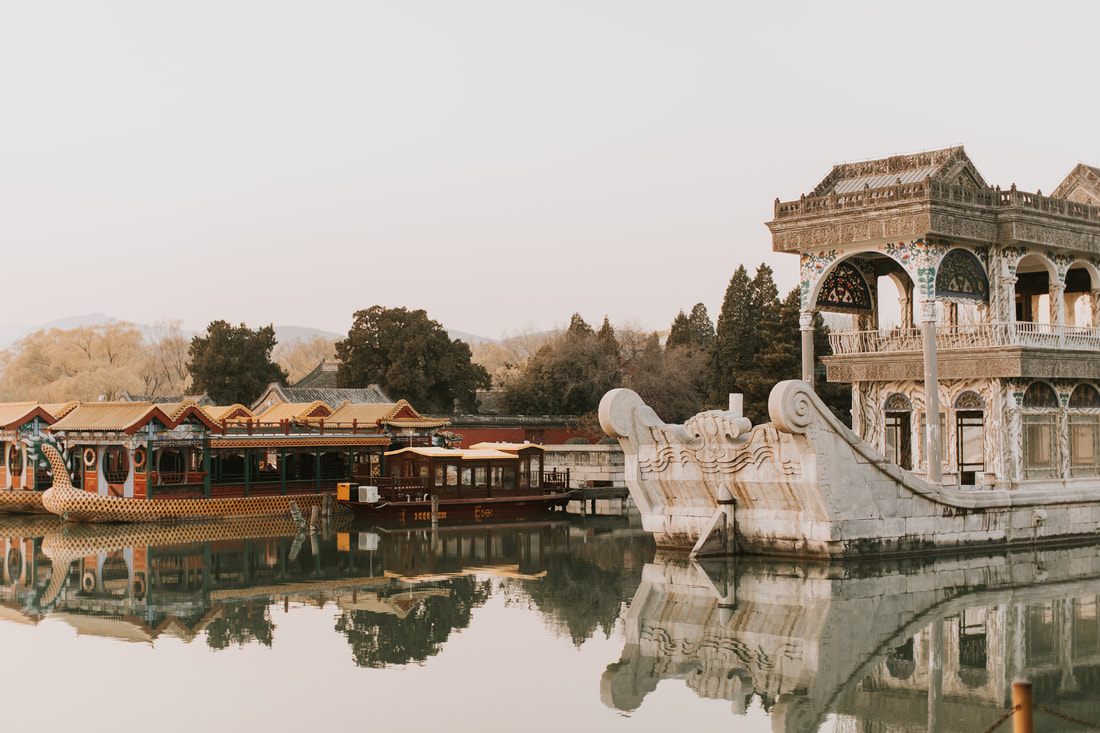
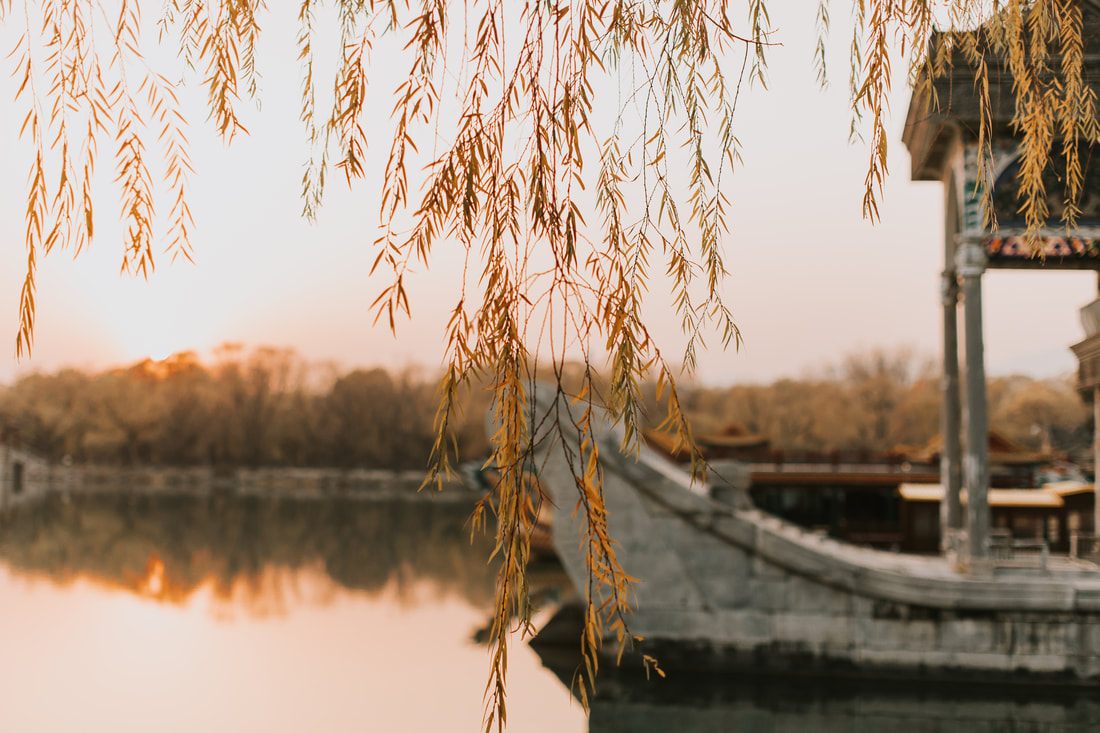
My hotel sat right next to the venues built for the 2008 Olympics, lit up every night and full of people enjoying the space. Beijing itself is a city of rings circling the center, where the Forbidden City — former seat of the Ming and Qing emperors and now home to the National Palace Museum — still anchors everything. Just outside the city, the Summer Palace, a former royal retreat built around a man-made lake, is enormous, beautiful, and only a few feet deep.
If you’re chasing better travel photos of your own, check out what’s in my camera bag and my ebook to taking better photos.
Frequently asked questions
What are the must-see sights in Beijing?
The Great Wall (Juyongguan section), the Forbidden City, Tiananmen Square, the Temple of Heaven, and a hutong neighborhood tour are among the essential Beijing experiences.
What’s the best way to experience a Beijing hutong?
Going with locals is ideal — a guided ride through a hutong neighborhood, ideally with a home-cooked meal, offers a much more personal look at Beijing than the major landmarks alone.
Is winter a good time to visit Beijing?
Winter in Beijing is very cold, especially in the north, so pack warm layers — but the city is far less crowded, which makes photographing landmarks like the Great Wall easier.
You might also like
- Suzhou, China: Canals, Gardens, and the Oriental Venice
- Wuxi, China: The Lingshan Grand Buddha and a Serene Lake
- Hangzhou, China: The West Lake and a Dragon Well Tea Plantation
- Shanghai, China: River Cruises, Temple Bazaars, and Acrobatics
- Welcome to Cusco, Peru: High Altitude, Cold Air, and Guinea Pig for Dinner


Comments Off on Beijing, China: The Great Wall, Hutongs, and a Whole Lot of Cold