Wuxi, China: The Lingshan Grand Buddha and a Serene Lake
Wuxi (pronounced “ooo-she”) was one of the calmest, most peaceful cities I visited in China. Even the local accent has a musical lilt to it, almost like singing, a world apart from a city like Shanghai, where the pace and the volume can feel more like yelling. I spent my time here visiting the Lingshan Grand Buddha and a beautifully serene lake.
Lingshan Grand Buddha
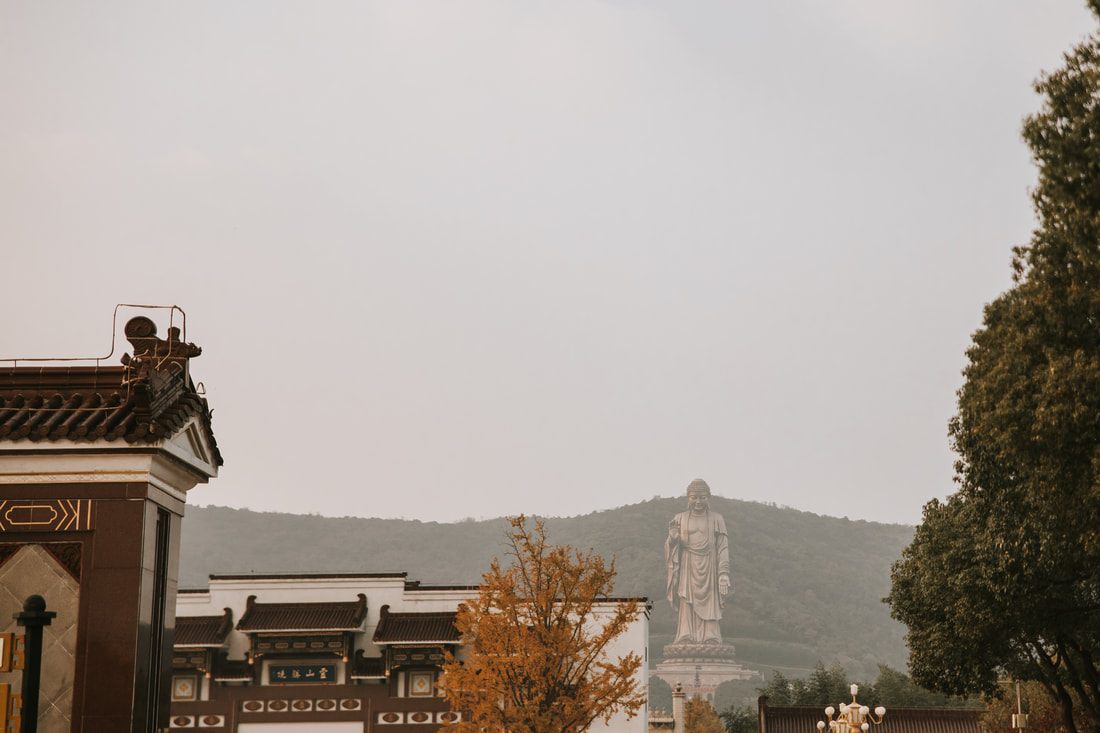
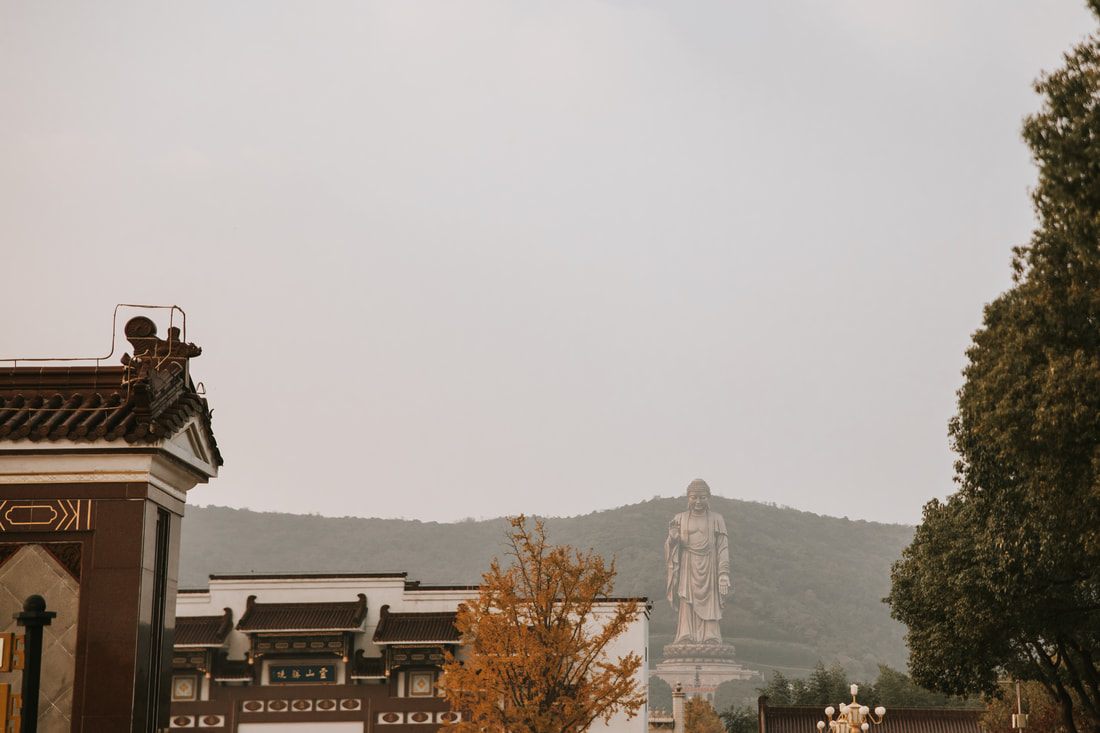
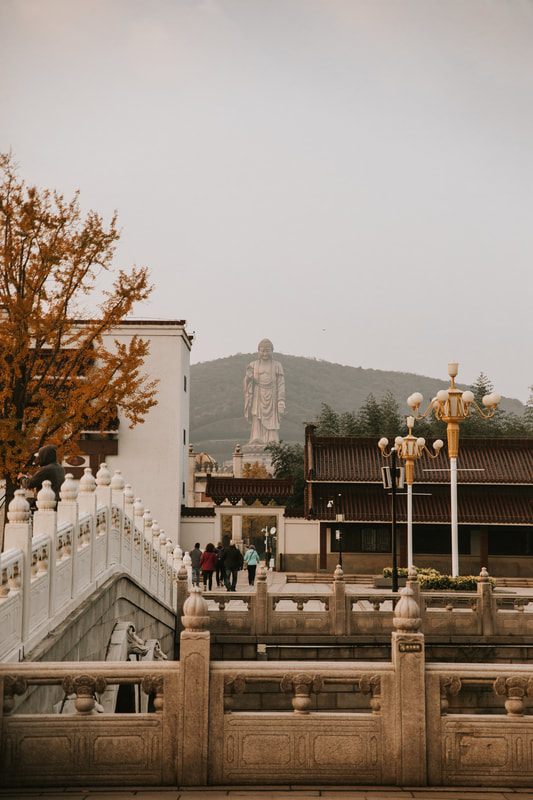
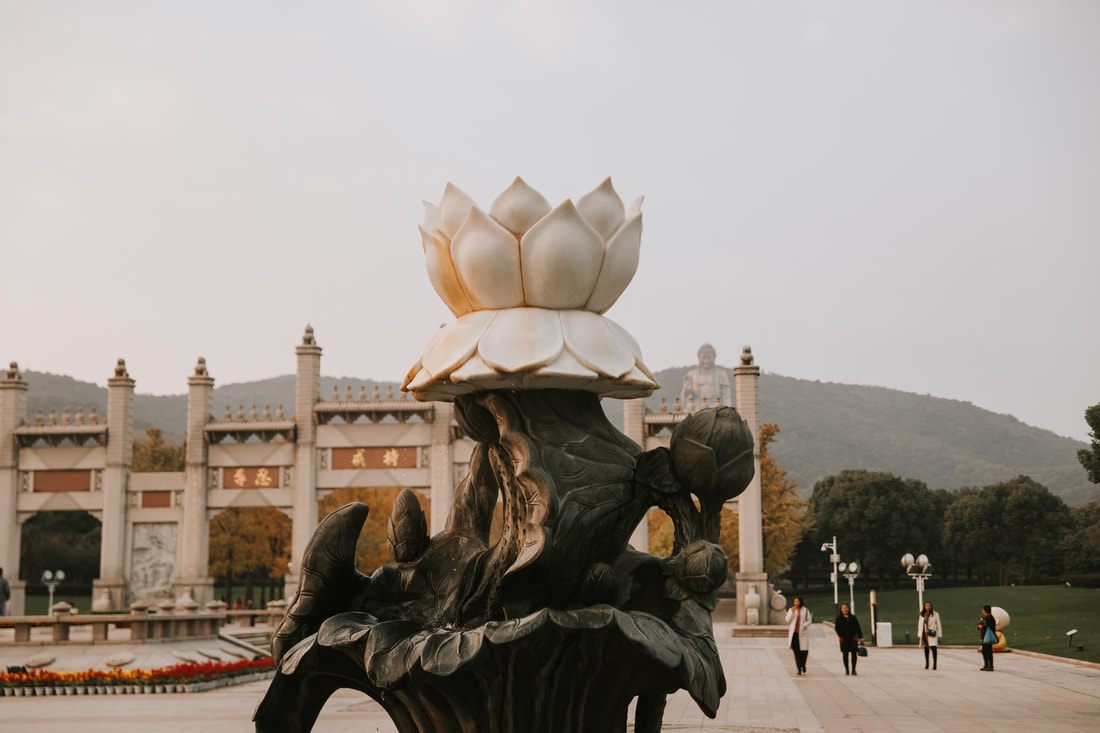
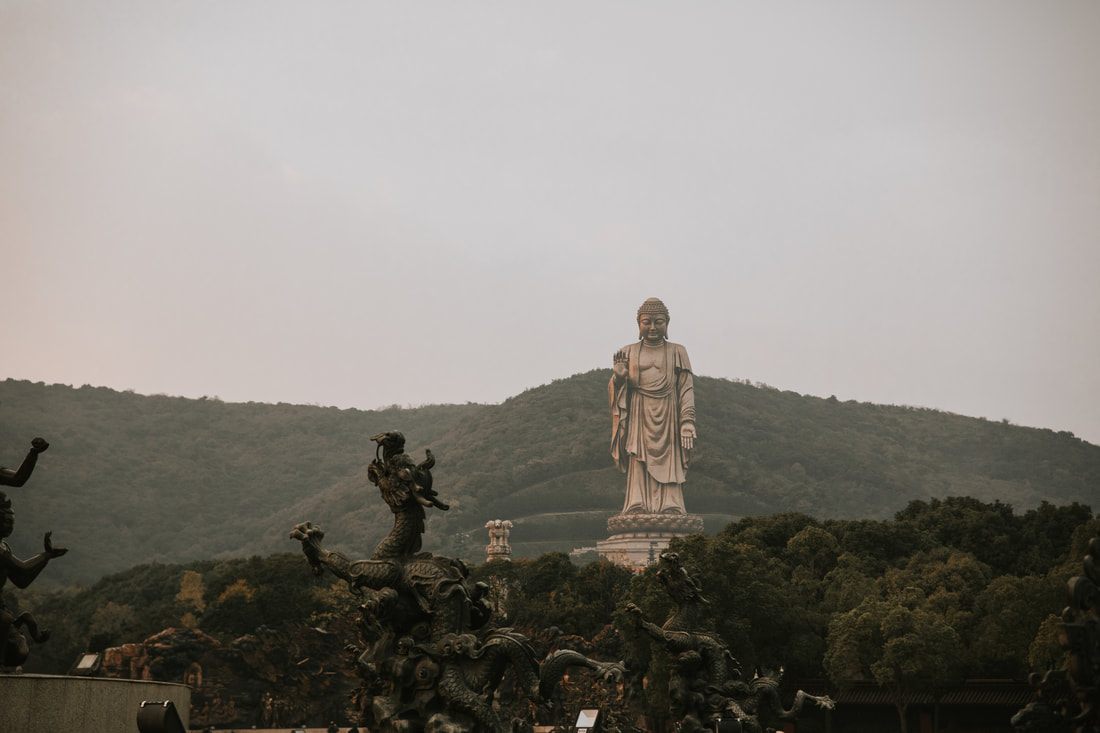
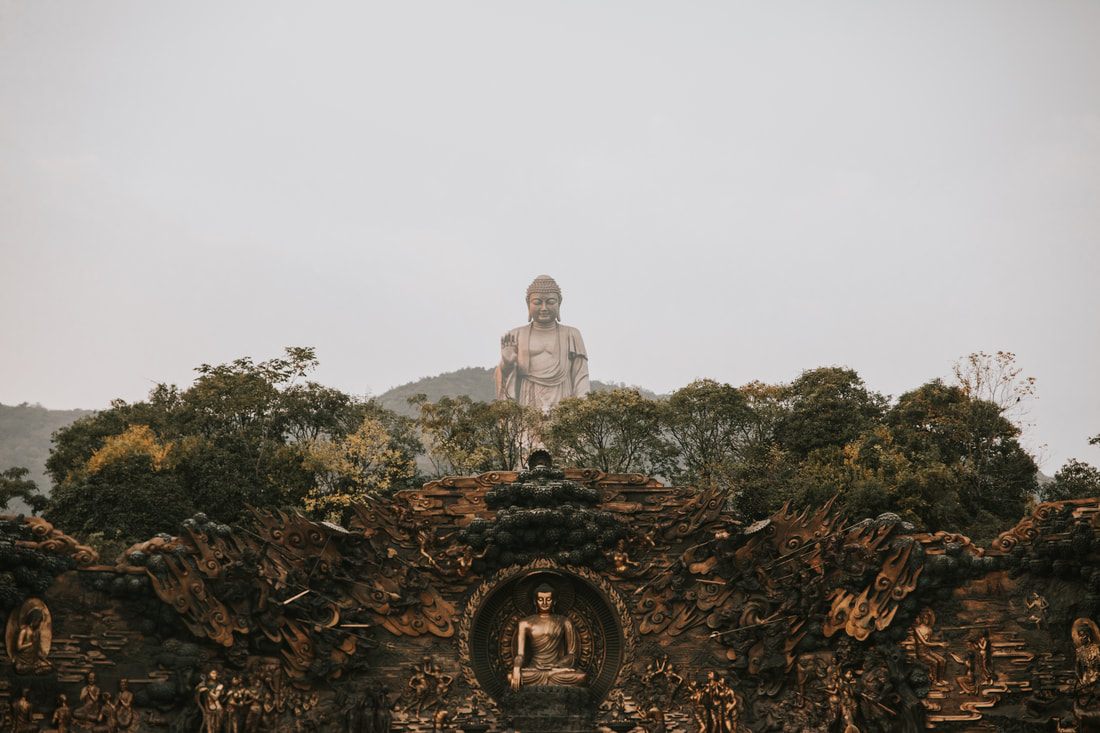
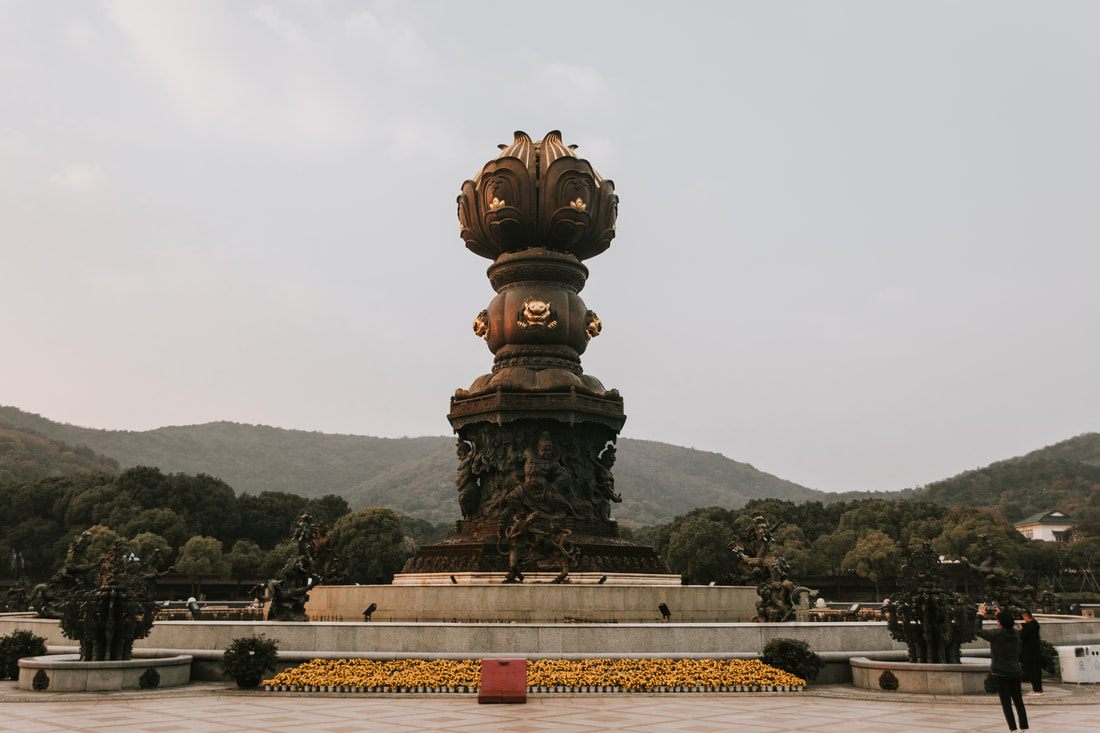
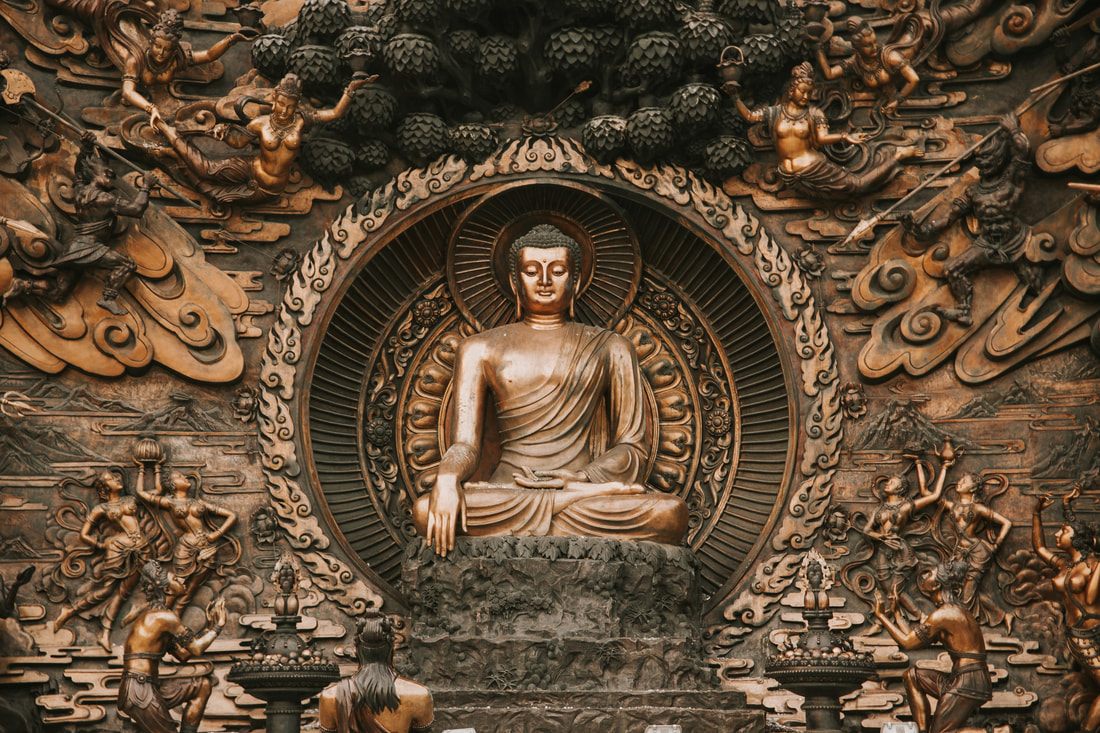
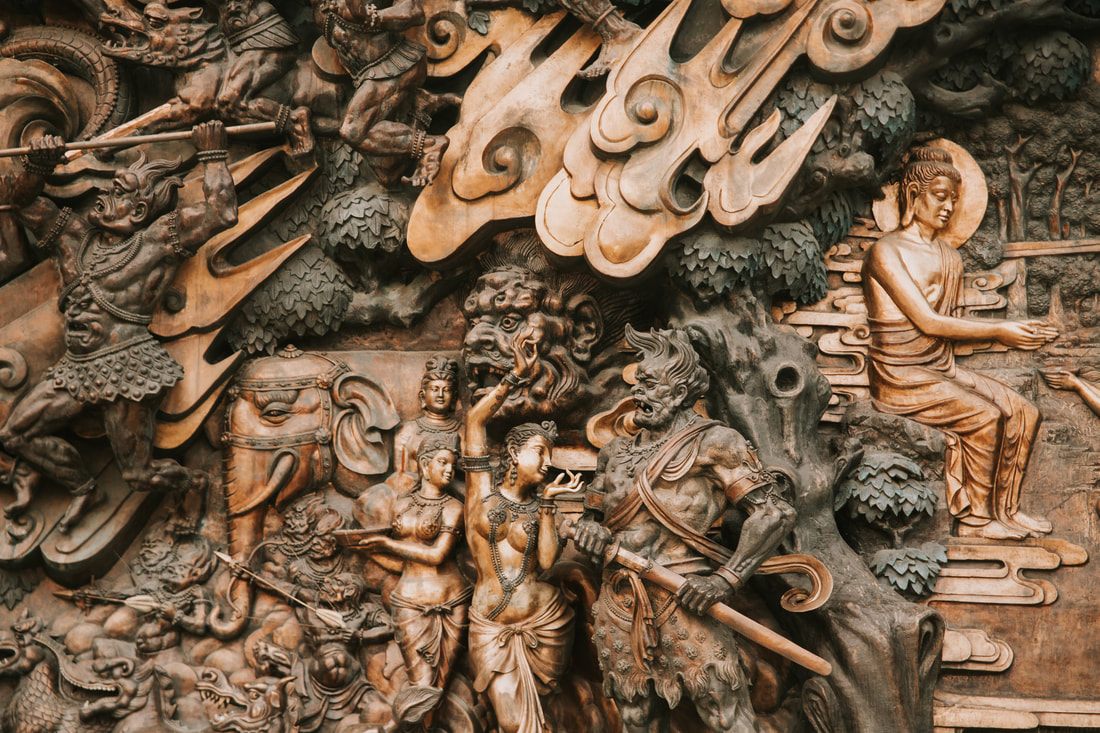
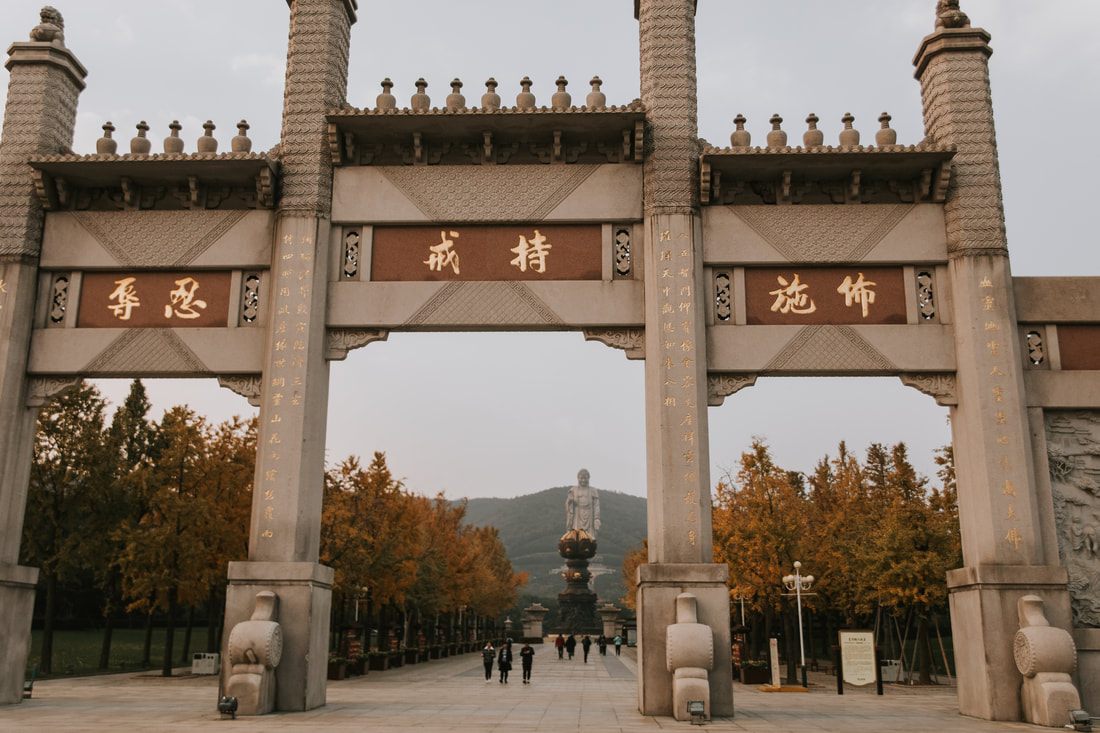
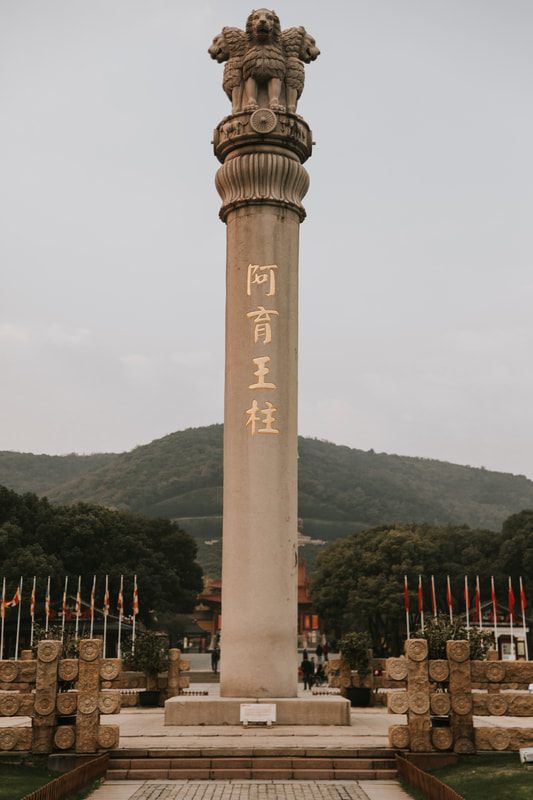
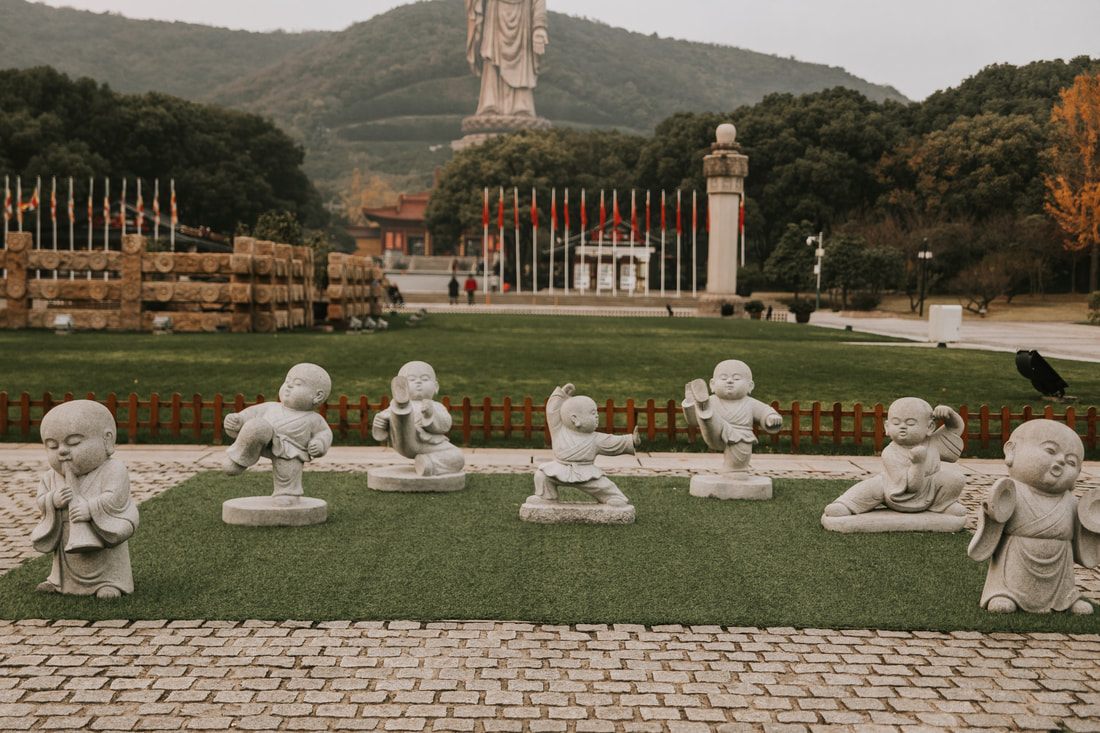
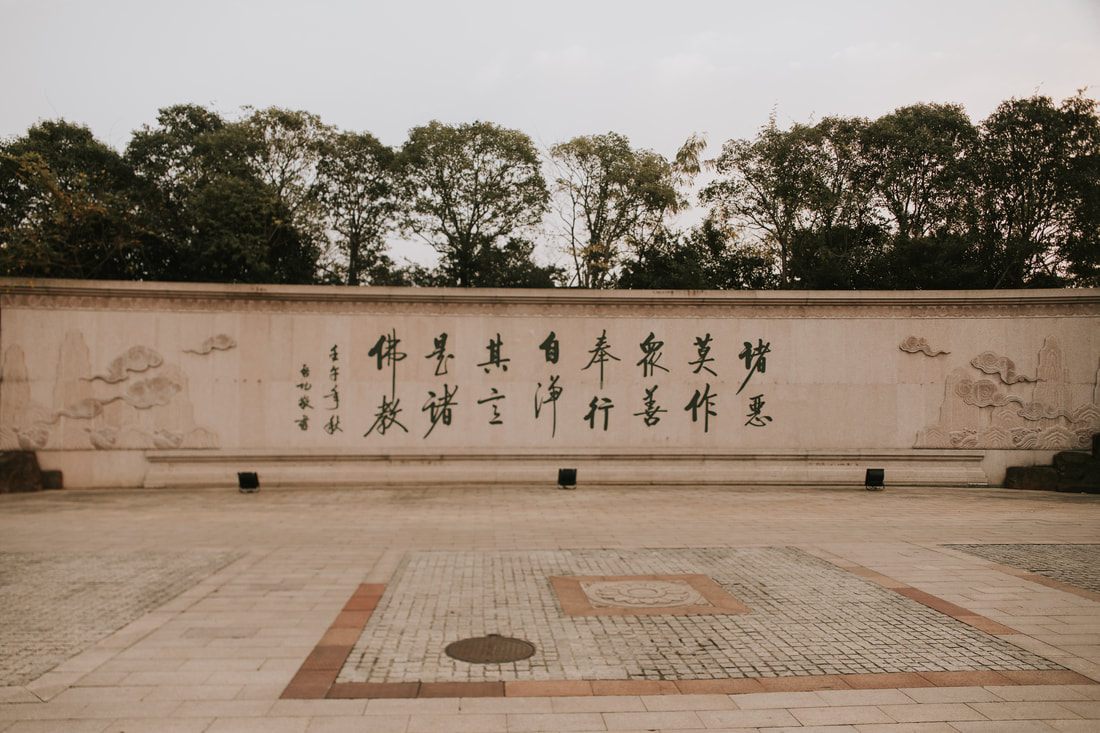
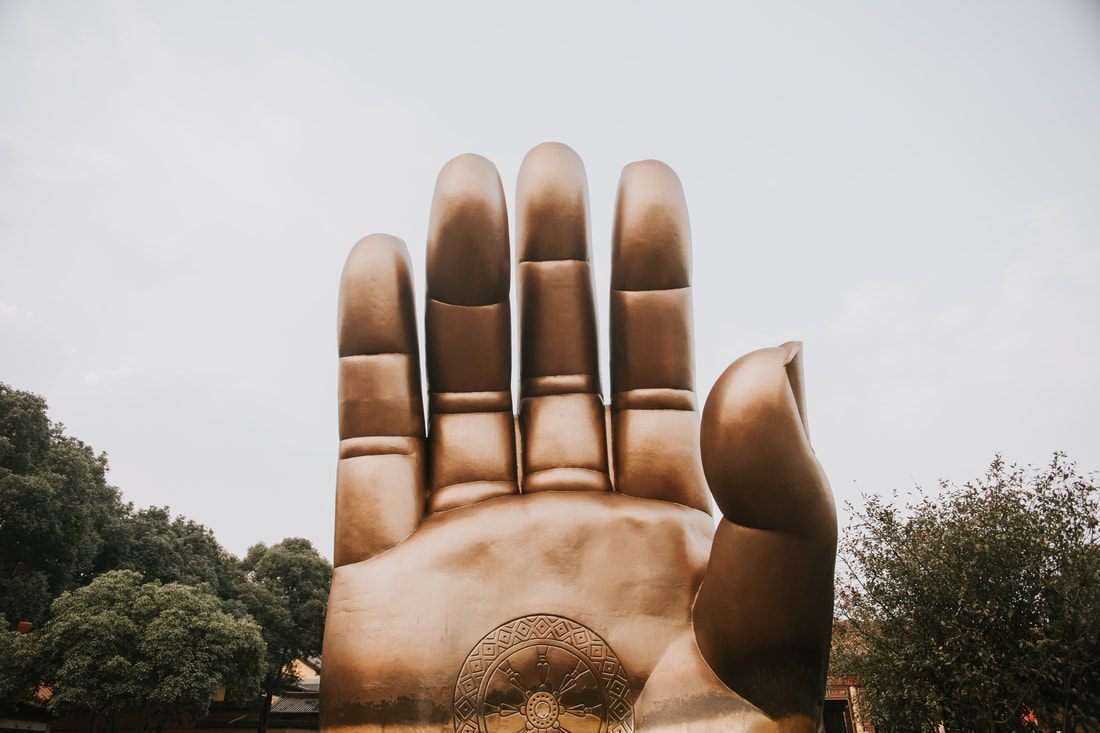
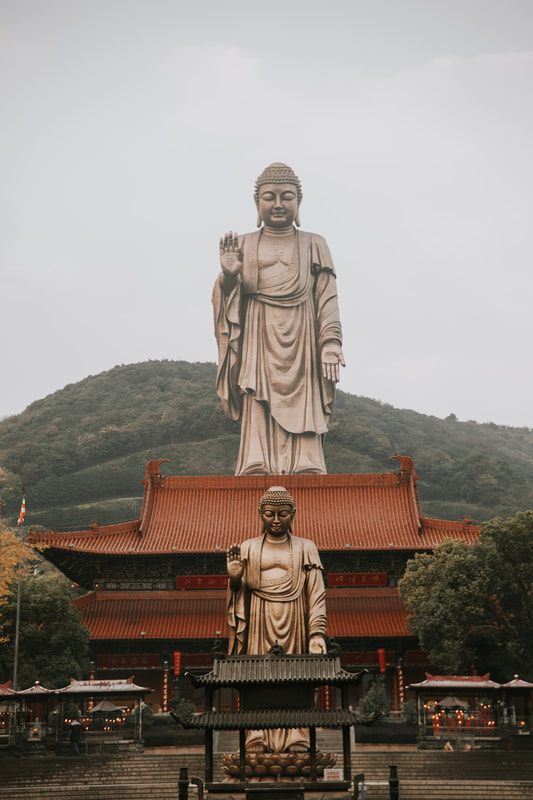
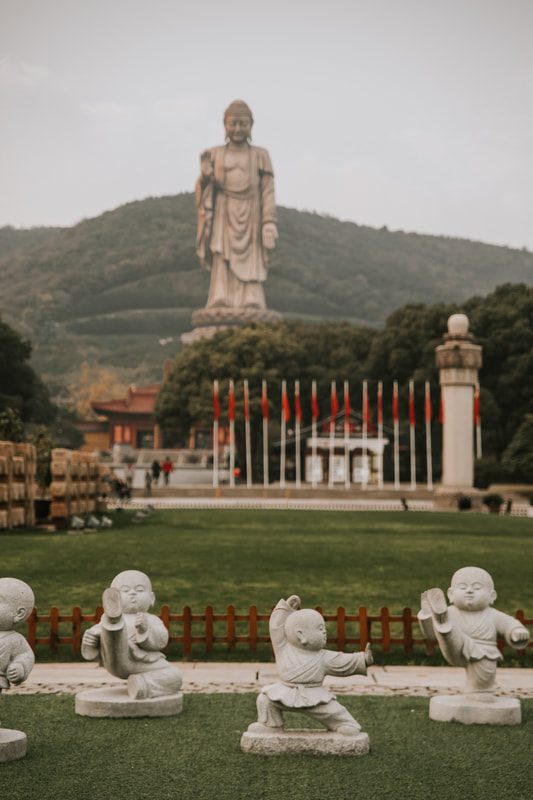
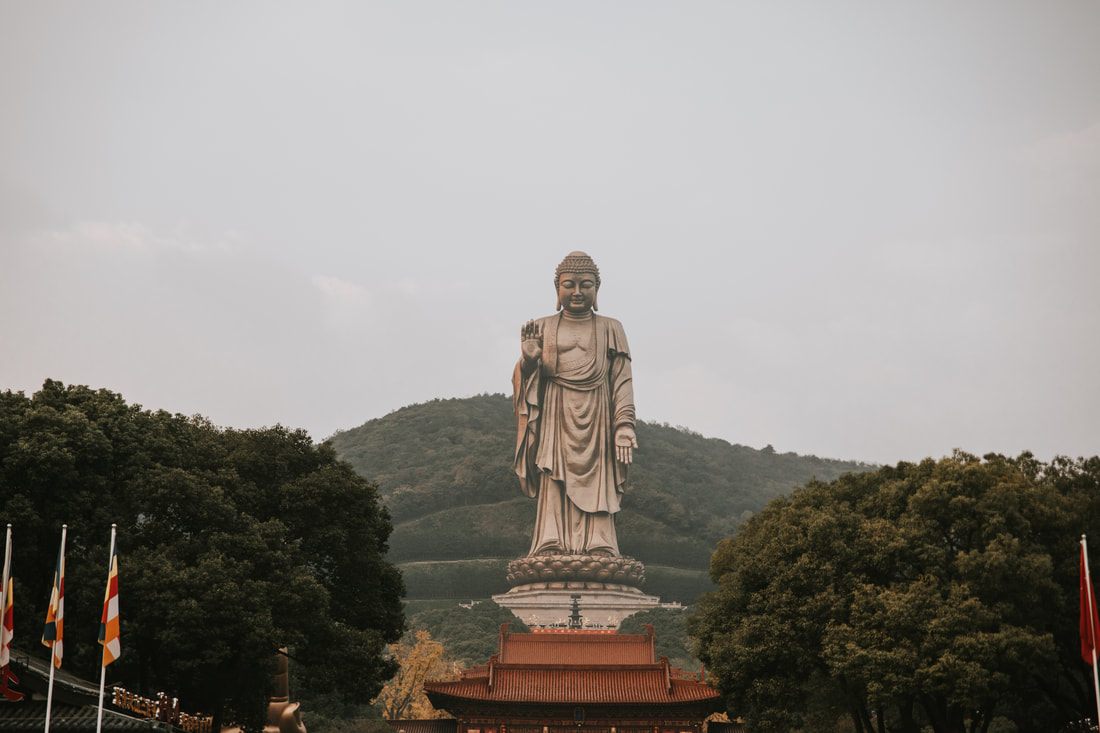
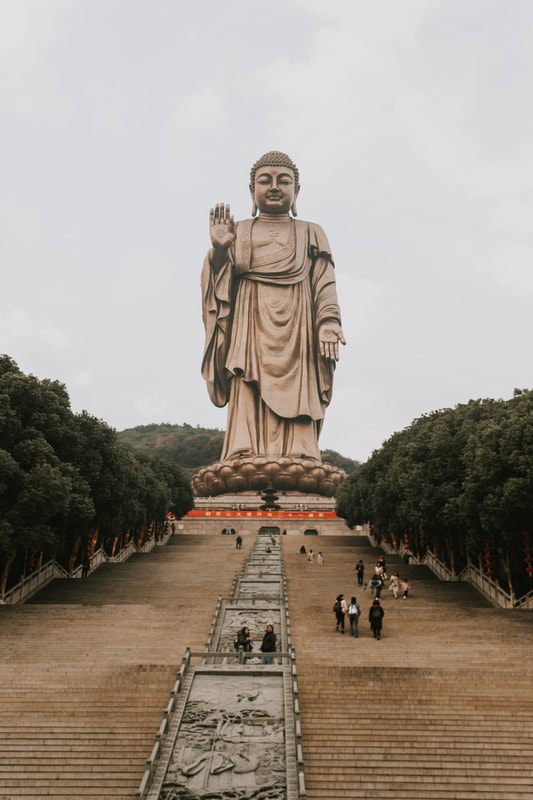
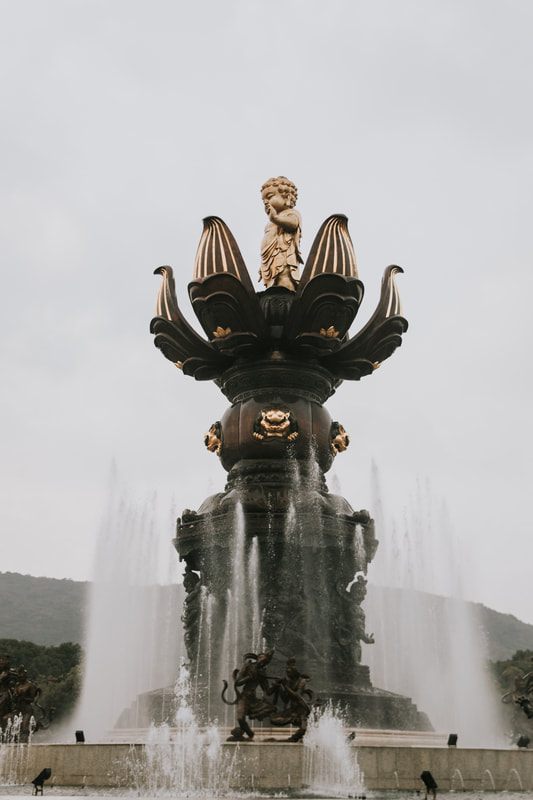
The Lingshan Grand Buddha is one of China’s largest Buddha statues, standing over 80 meters tall. The surrounding grounds are enormous, full of peaceful, beautiful attractions to wander through slowly. At sunset, a large musical fountain plays out the story of the Buddha’s birth — a striking, unexpected way to end a day of sightseeing. Nearby is the Brahma Palace, a palace built with sandalwood pillars to host the 2009 Buddhist conference.
Lake Lihu and Lake Taihu
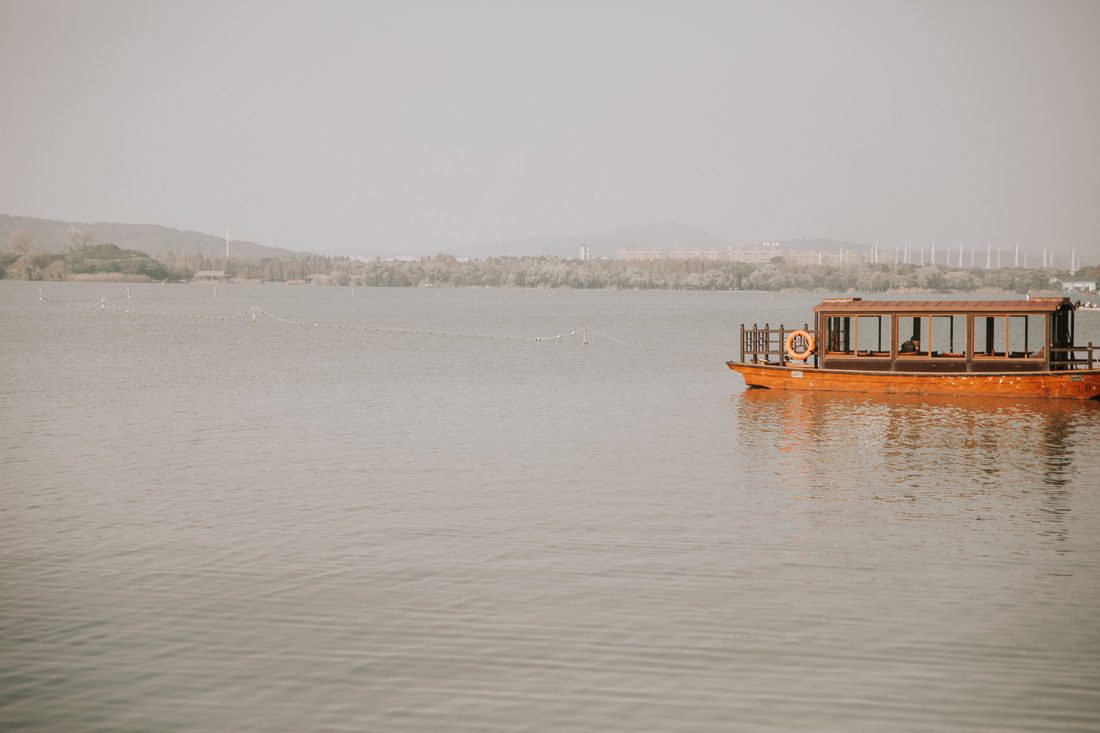
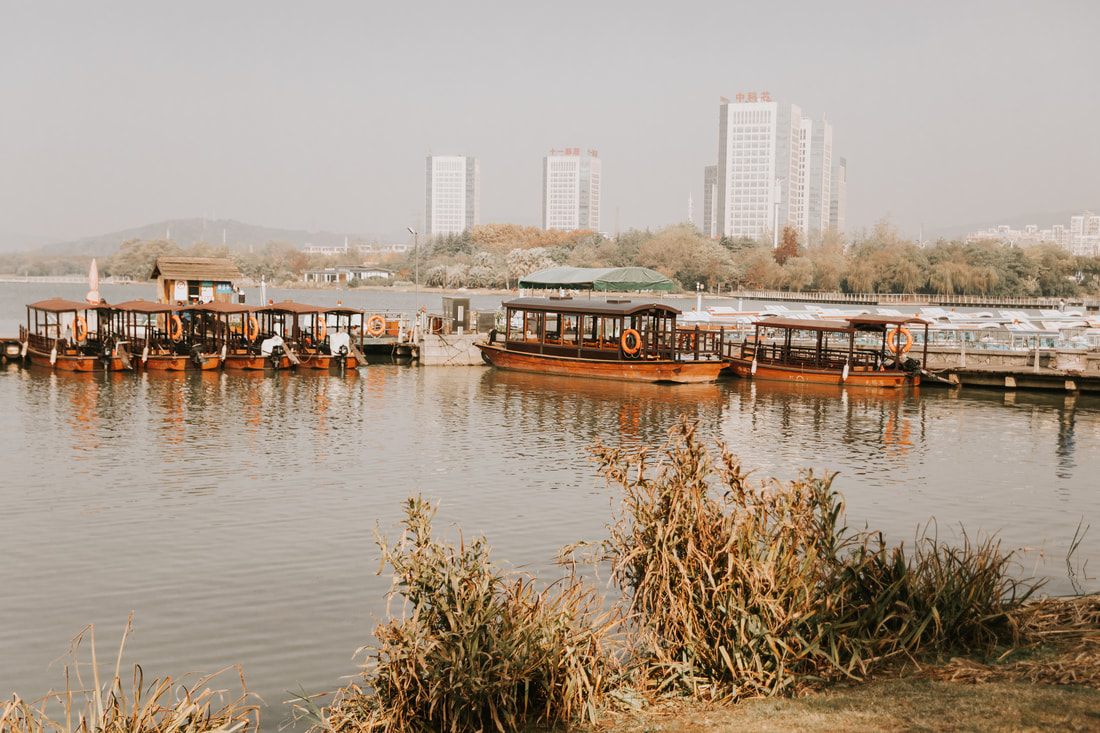
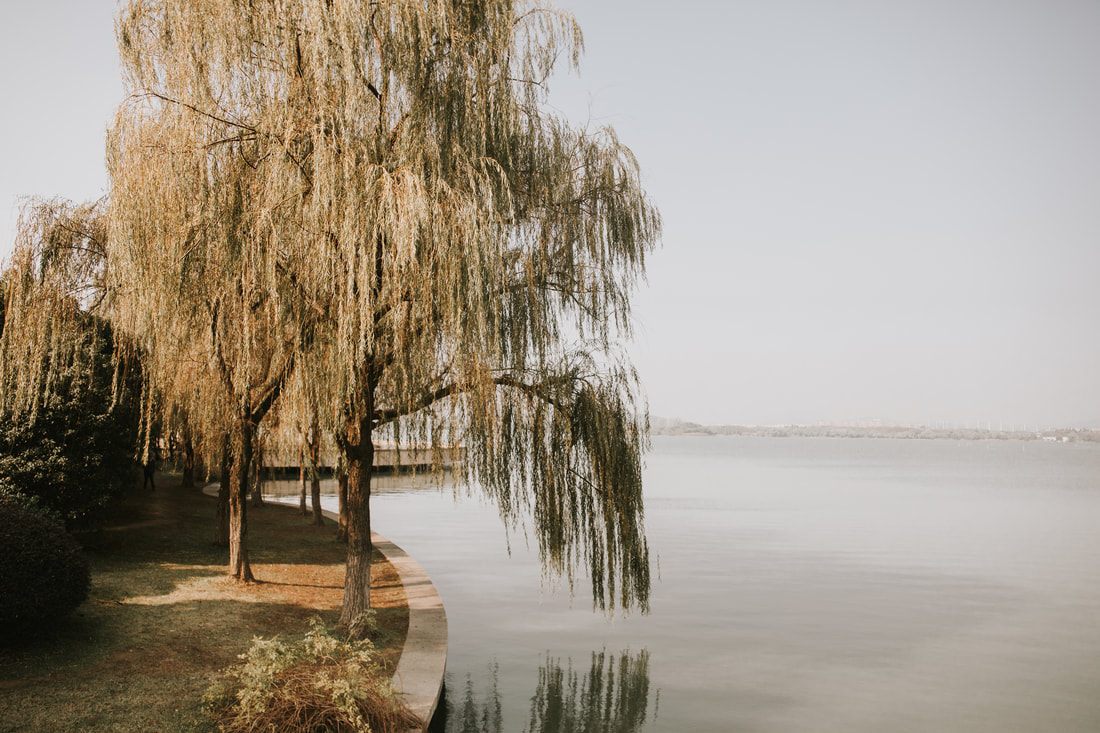
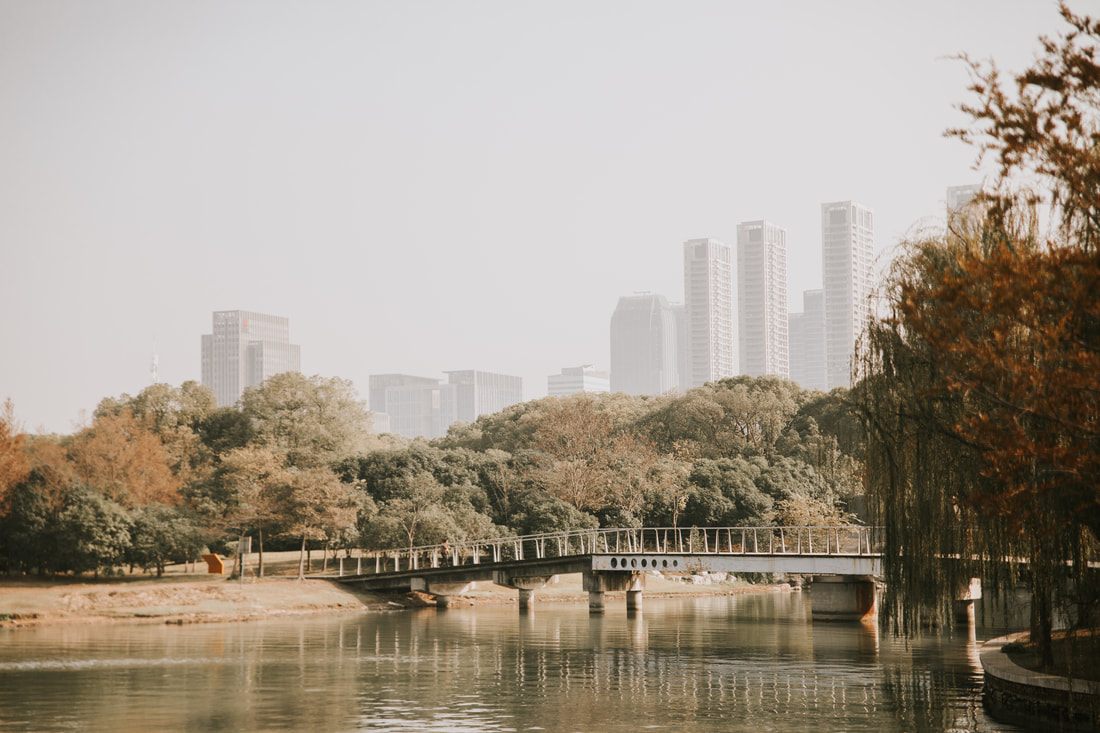
Wuxi’s lakes — Lake Lihu and the much larger Lake Taihu — are exactly the kind of calm, reflective landscapes that make this city feel so different from the rest of China’s fast-paced hubs. Wandering the shoreline after a morning at Lingshan was the perfect way to slow down and take it all in, and it’s a big part of why Wuxi has stuck with me as one of the more peaceful stops on this trip.
If you’re chasing better travel photos of your own, check out what’s in my camera bag and my ebook to taking better photos.
Frequently asked questions
How do you pronounce Wuxi?
Wuxi is pronounced “ooo-she” — a calm, quieter city compared to some of China’s larger, busier hubs.
What is the Lingshan Grand Buddha?
The Lingshan Grand Buddha in Wuxi is one of China’s largest Buddha statues, standing over 80 meters tall, with the sandalwood Brahma Palace and a sunset musical fountain nearby.
What else is there to see in Wuxi?
Beyond the Grand Buddha, Wuxi’s Lake Lihu and Lake Taihu offer a peaceful, scenic contrast to the city’s more famous sights.
You might also like
- Hangzhou, China: The West Lake and a Dragon Well Tea Plantation
- Shanghai, China: River Cruises, Temple Bazaars, and Acrobatics
- Suzhou, China: Canals, Gardens, and the Oriental Venice
- Beijing, China: The Great Wall, Hutongs, and a Whole Lot of Cold
- Lake Tahoe: A Road Trip Through California and Nevada


Comments Off on Wuxi, China: The Lingshan Grand Buddha and a Serene Lake