
A Self-Portrait Project: Learning to See Myself Behind the Lens
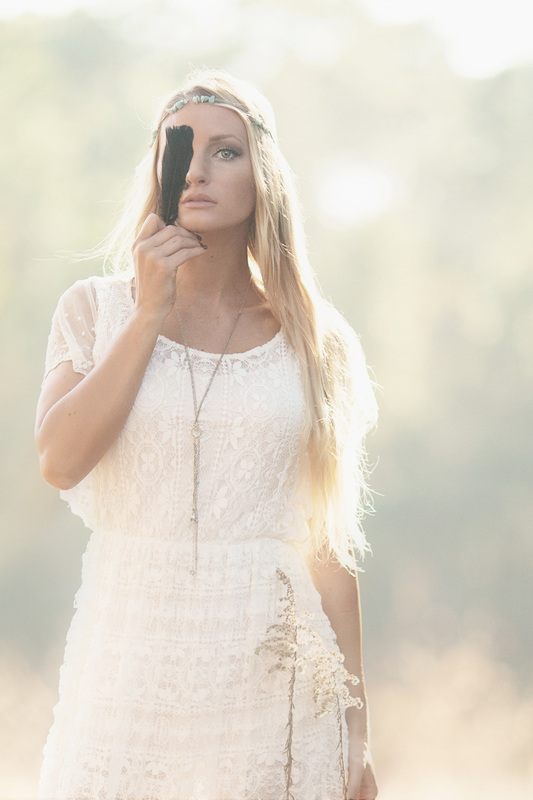
Some of the best lessons in photography come from turning the camera on yourself. In 2016, I set out to do exactly that — a monthly self-portrait project built to push my skills into places my client work rarely takes me.
January: Learning to trust the remote
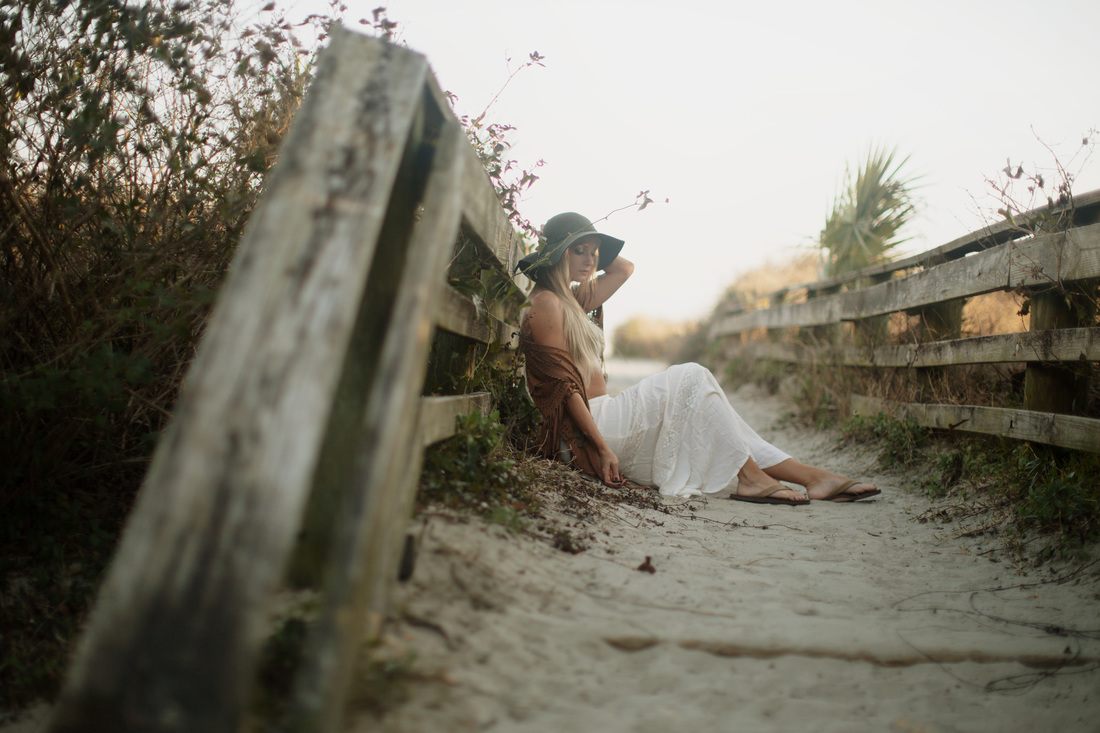
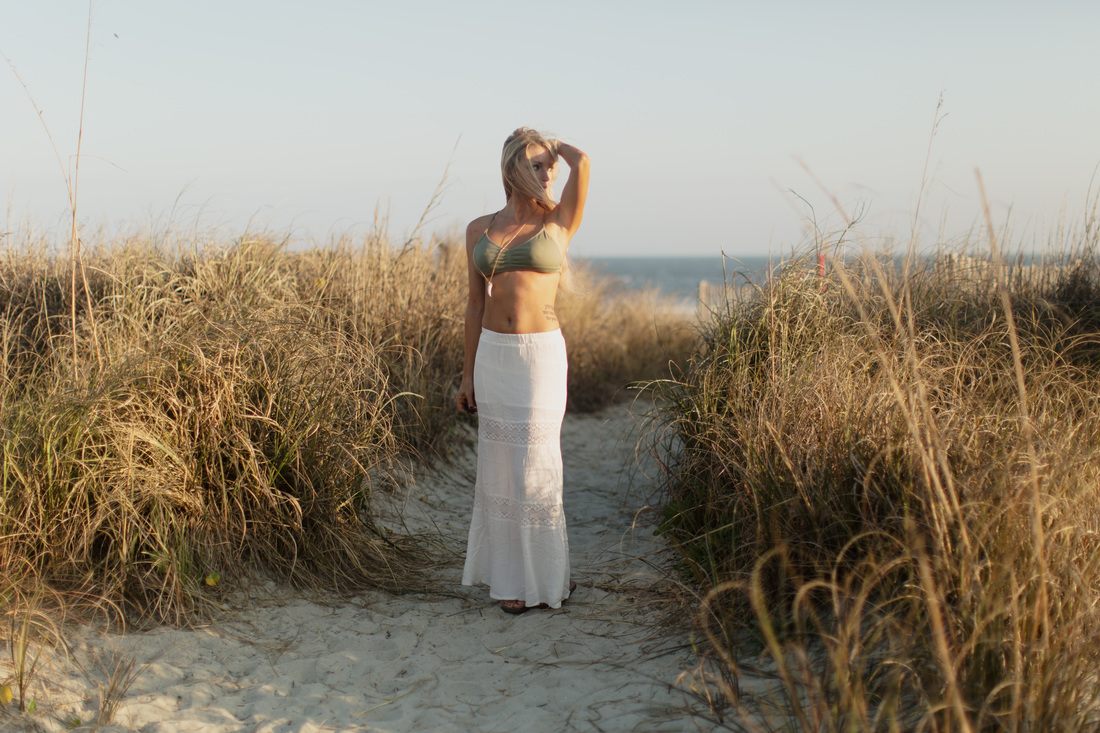
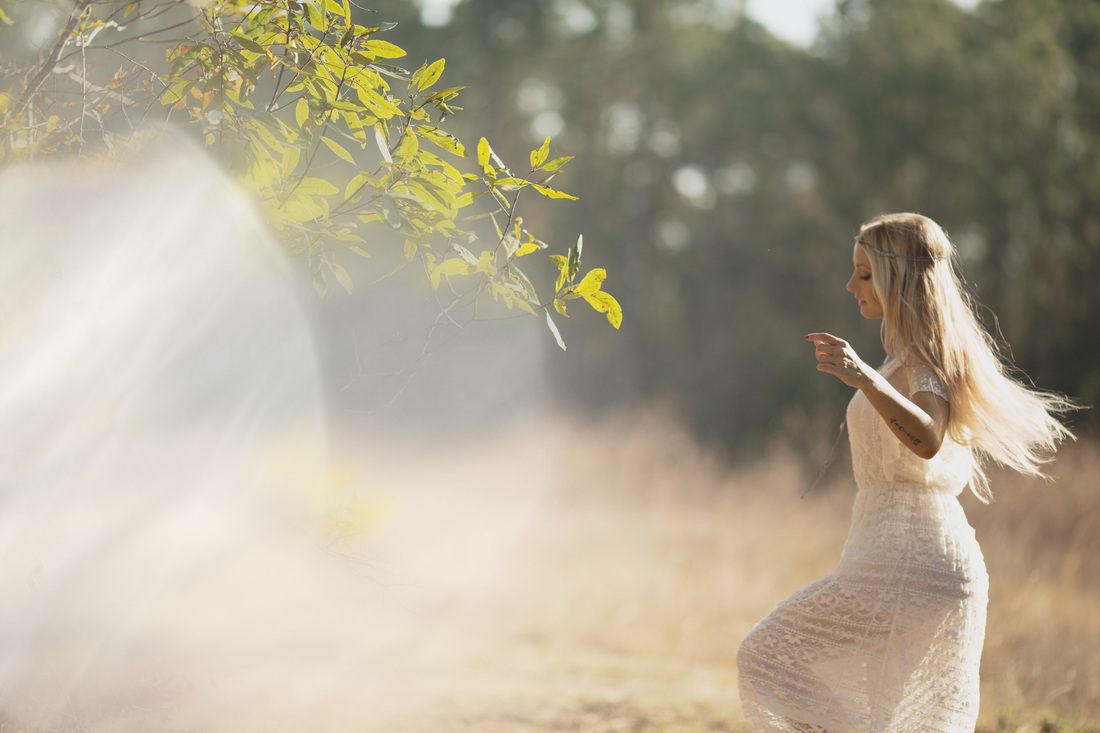
I started simple. This was my first real attempt at working with a remote shutter system, which meant learning to focus my camera on a spot where I wasn’t standing yet, then stepping into frame and hoping the composition held. It’s a style of portrait I’ve always loved, and with no local model on hand, I became my own subject and stand-in.
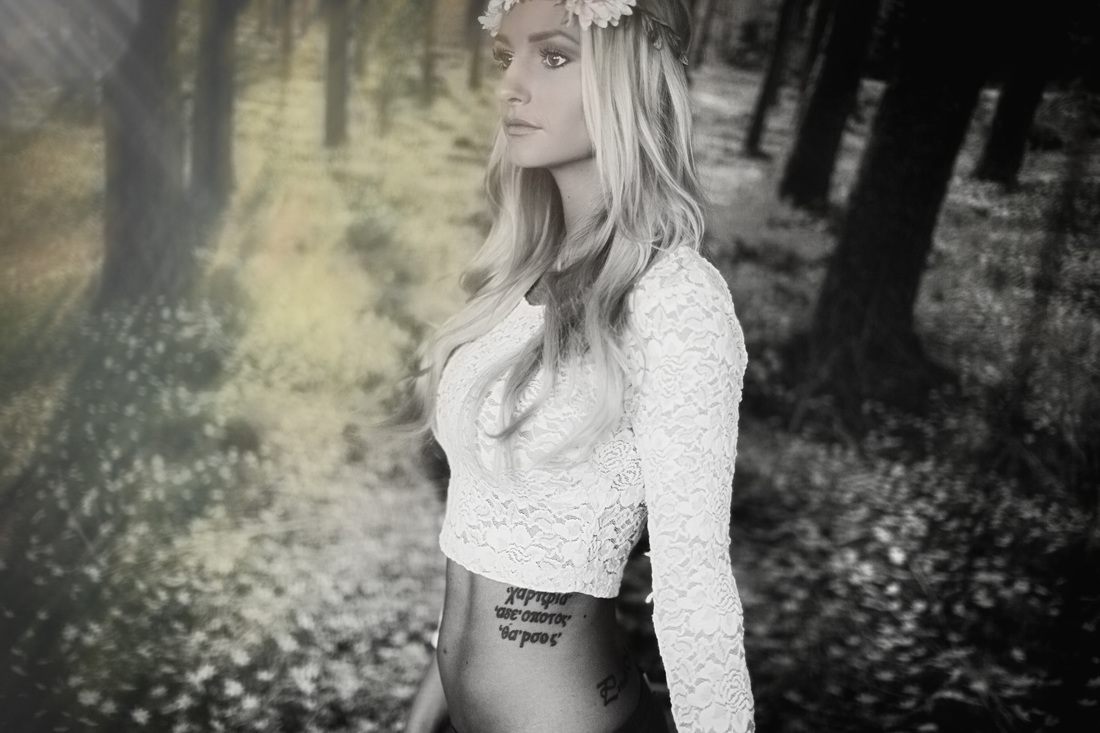
February: A journey into the woods
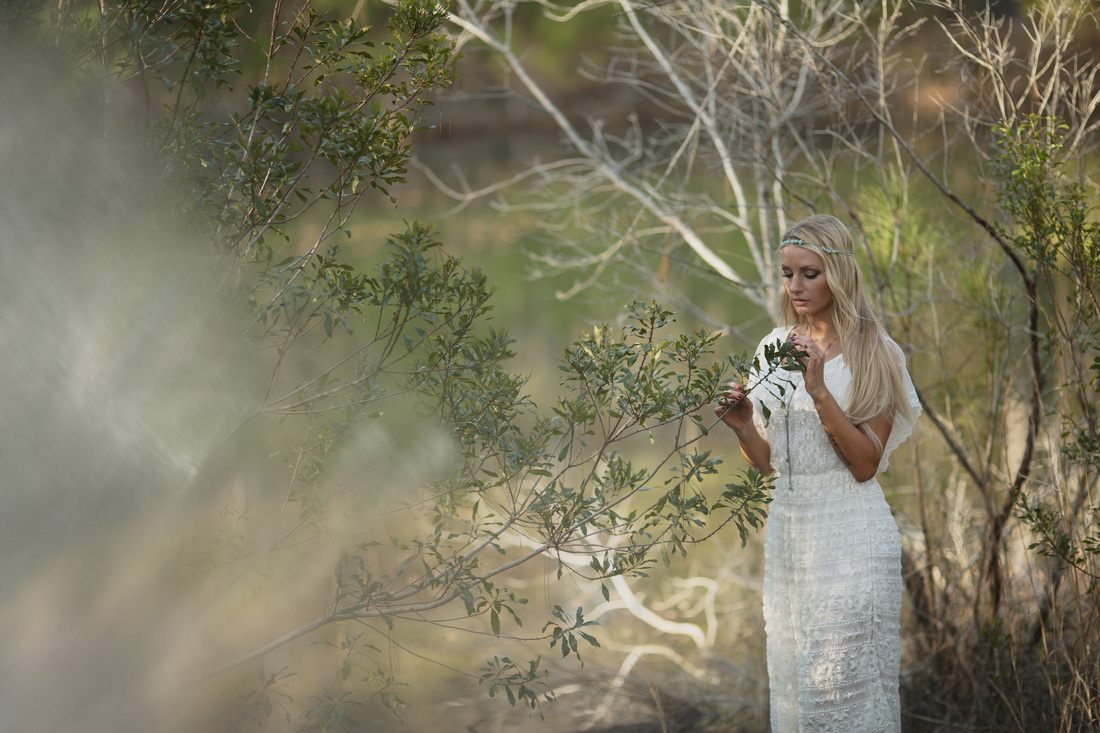
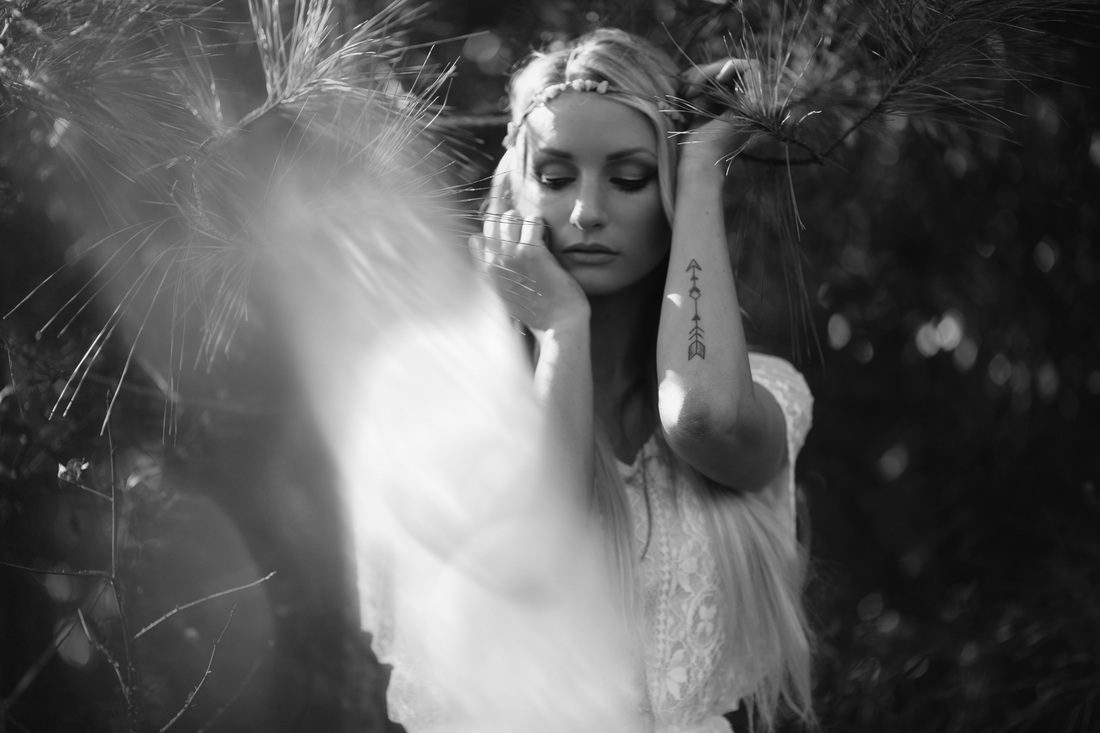
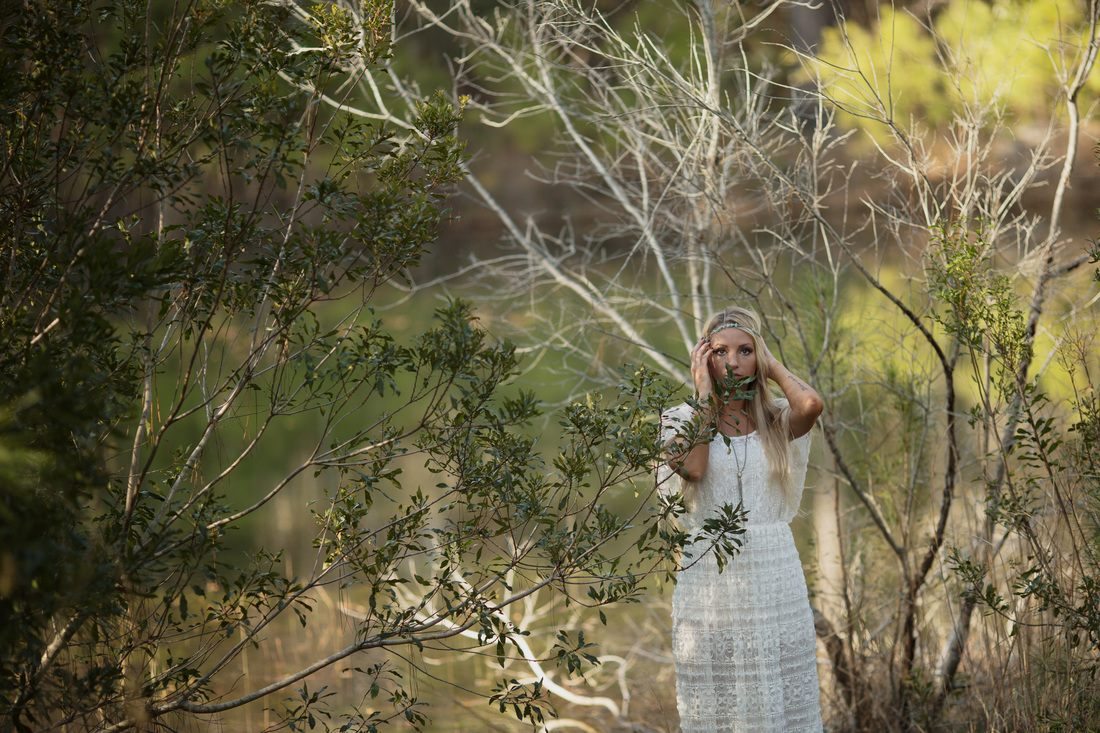
The next set became a quiet series about searching — a journey through the woods toward something unknown. I also experimented with lens distortion from a few different pieces of vintage glass, layering in effects I hadn’t used before. It’s a technique that’s stuck with me ever since.
March: Stepping outside my comfort zone (indoors)
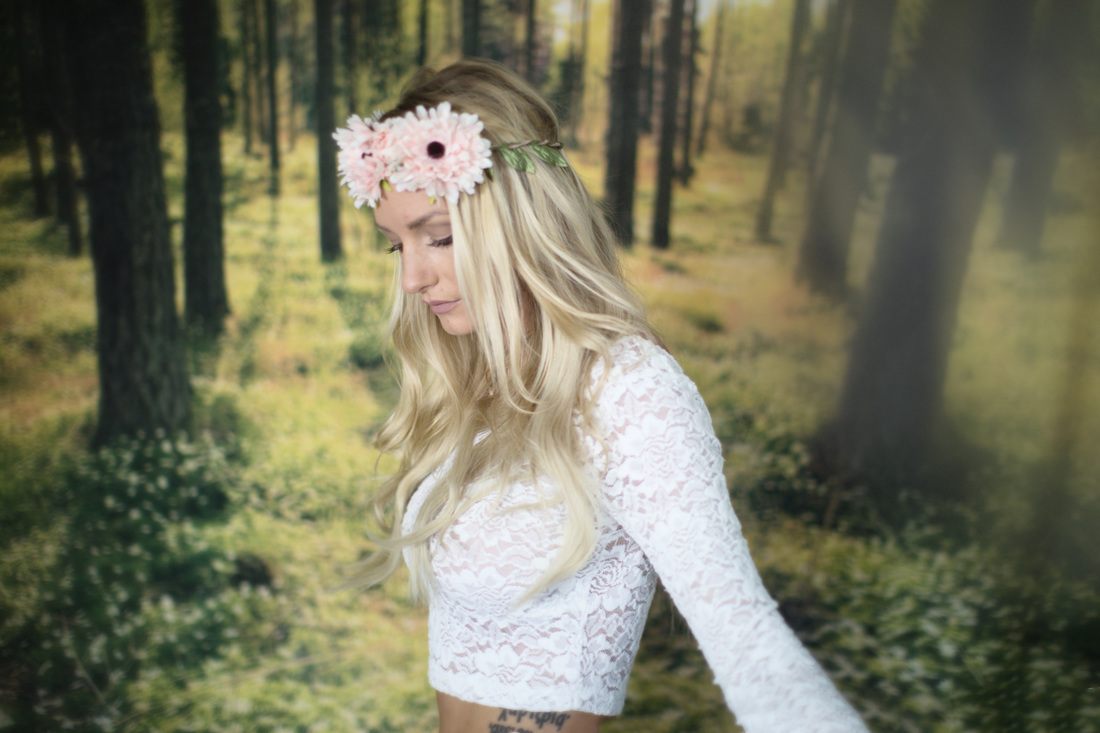
For the final stretch, I challenged myself to shoot indoors on a plain white background, a departure from the natural light and open air I usually gravitate toward. I played with unconventional poses and editing styles so the images read as more than simple headshots, then paired them with a second set on a scenic backdrop for contrast.
Projects like this one are why I keep growing as an artist — trying techniques on myself before I ever offer them to a client. If you’re curious what that same eye for light and story could do for your own portraits, I’d love to talk.
A project like this needs unstructured time more than it needs gear. That is the point of my artist residency in Joshua Tree.










Frequently asked questions
What is a self-portrait photography project?
It’s a personal exercise where a photographer becomes their own subject, often used to test new lighting, posing, or editing techniques before offering them to clients.
Why do professional photographers still photograph themselves?
It’s one of the fastest ways to grow — you get instant, honest feedback on what’s working, and you build empathy for what it feels like to be in front of the lens.


Comments Off on A Self-Portrait Project: Learning to See Myself Behind the Lens